Mars 101 National Geographic
Mars 101 National Geographic Information Guide
Background of Mars 101 National Geographic

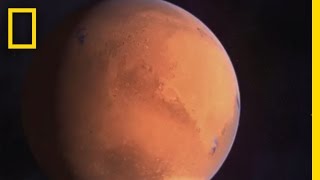
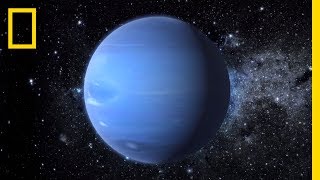
From its blood-like hue to its potential to sustain life, On November 26th, 2018, NASA's InSight spacecraft is set to touch down on Desde su composición rocosa a su potencial para albergar vida, Marte ha intrigado a la humanidad durante miles de años. Named after the ancient Roman goddess of beauty, Venus is known for its exceptional brightness. Find out about the volcanoes ... The sun keeps the planets in its orbit with a tremendous gravitational force. What would happen if it disappeared entirely? Learn ... Neptune is the most distant of the solar system's eight planets. Find out about the blue world's orbit, which of Neptune's moons is ...
The planet Mercury is named after the messenger of the Roman gods because of its fleeting nature across the sky. Find out the ... How many planets are in the solar system? How did it form in the Milky Way galaxy? Learn facts about the solar system's genesis, ... Earth is the only planet known to maintain life. Find out the origins of our home planet and some of the key ingredients that help ... Jupiter is the oldest and most massive world in the solar system. Learn about the planet's origin story, its Great Red Spot and ...
Main Features

Developments






Expert Insights
Data is compiled from public records and verified media reports.
Last Updated: June 6, 2026
Final Thoughts

Disclaimer: Disclaimer: Details estimates are based on publicly available data, media reports, and financial analysis. Actual numbers may vary.


