Unveiling Musk: The Timeless Allure Of Fragrance
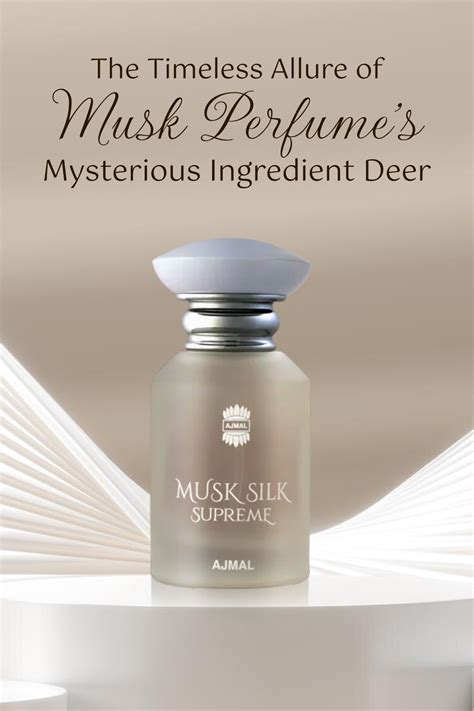
Unveiling Musk: The Timeless Allure of Fragrance
Hey everyone, let’s talk about something truly
iconic
in the world of scents:
musk
. If you’ve ever wondered why certain perfumes feel so comforting, so sensual, or just so incredibly
good
, chances are musk plays a starring role. From ancient civilizations to modern perfumery, musk has captivated our senses, becoming a cornerstone ingredient that adds depth, warmth, and an undeniable allure to countless fragrances. It’s not just a scent; it’s an experience, a foundational note that gives perfumes their staying power and their unforgettable character. Think about it – those
skin-like
,
powdery
, and often
animalic
undertones that make a fragrance feel like a second skin? That’s the magic of musk at work, guys. It’s an ingredient that truly defines what it means for a scent to be
memorable
and
irresistible
. We’re not just talking about a fleeting top note here; musk is the very
soul
of many beloved perfumes, anchoring lighter elements and giving them a lasting presence that lingers beautifully on the skin. It possesses a unique ability to adapt, enhancing other notes without overpowering them, making it a true workhorse in a perfumer’s palette. This timeless ingredient has transcended eras and cultures, proving its enduring appeal. Its complexity means it can evoke a myriad of feelings – from pristine cleanliness to raw sensuality, often simultaneously. Learning about musk is like peeking behind the curtain of your favorite fragrances, understanding the intricate dance of notes that create something truly extraordinary. So, buckle up, because we’re about to dive deep into the fascinating,
and sometimes mysterious
, world of musk, exploring its origins, its evolution, and why it continues to be one of the most beloved and essential ingredients in perfumery today. Get ready to have your olfactory senses awakened, because understanding musk is key to truly appreciating the art of scent.
Table of Contents
What Exactly is Musk?
So, what
is
musk
, really? When we talk about musk in perfumery, we’re referring to a broad category of aromatic compounds known for their
characteristic scent profile
: often described as
sweet
,
powdery
,
earthy
,
animalic
,
woody
, and sometimes even
creamy
. Historically,
natural musk
was derived from the glandular secretions of the male
musk deer
, specifically from a sac located between its genitals and umbilical cord. This original source,
deer musk
, was highly prized for its incredibly potent and long-lasting aroma, acting as both a fragrance in itself and a powerful
fixative
that helped other scents linger. However, due to ethical concerns and the near extinction of the musk deer, the use of
natural animal musk
is now largely restricted and extremely rare in commercial perfumery. This shift led to a fascinating evolution in the fragrance world, pushing perfumers to innovate and find sustainable alternatives. Today, the musk you encounter in almost all perfumes is either
plant-based
or, far more commonly,
synthetic
. These synthetic musks, developed through ingenious chemistry, have successfully replicated, and in many cases, enhanced the alluring qualities of natural musk. They come in various forms, each with its own subtle nuances, ranging from
clean and laundry-like
to
deep and intensely sensual
. Understanding this distinction is key, because while the
idea
of musk remains consistent – that warm, enveloping, skin-like scent – its
source
has dramatically changed. These synthetic molecules are a triumph of science, allowing the timeless aroma of musk to continue gracing our lives without harming animals. They offer perfumers an incredible palette of options, from the bright and sparkling
white musks
to the rich and complex
nitro-musks
and
macrocyclic musks
. This diversity ensures that musk remains a versatile and indispensable component, capable of lending its unique character to virtually any fragrance composition, whether it’s a light floral eau de toilette or a heavy, oriental extrait de parfum. It’s a testament to human ingenuity that we can still enjoy this captivating scent, honoring its legacy while moving forward with ethical and sustainable practices. The ongoing research and development in synthetic musk chemistry continue to expand its possibilities, making it a truly
dynamic
and
ever-evolving
ingredient.
The Rich History and Evolution of Musk
The story of
musk
is as captivating as its scent, stretching back thousands of years and weaving through countless cultures.
Guys
, this isn’t just some new trend; musk has been a coveted ingredient since
ancient times
. Its journey from a wild animal secretion to a sophisticated synthetic molecule is a testament to humanity’s enduring fascination with beautiful smells. The earliest recorded uses of
natural musk
date back to
ancient Egypt
, where it was used in embalming rituals and as a sacred perfume. The
Romans
and
Greeks
also highly valued its intense aroma, often incorporating it into their daily lives for personal adornment and medicinal purposes. However, it was truly in the
Middle East
and
Asia
that musk gained its legendary status. Arab perfumers, masters of the craft, were among the first to fully harness the power of musk, blending it with other precious ingredients like
oud
and
rose
to create some of the most luxurious and long-lasting perfumes the world had ever seen. The
Silk Road
played a crucial role in bringing musk from its Himalayan origins to the farthest reaches of Europe, where it quickly became a symbol of
wealth
,
status
, and
sensuality
among the elite. Think about it: a scent so powerful, so
intoxicating
, that people would traverse continents just to acquire it! In the
European Renaissance
, musk found its way into the courts of kings and queens, used not only in personal fragrances but also to scent gloves, clothing, and even entire rooms. It was synonymous with
opulence
and
refinement
. Fast forward to the
18th and 19th centuries
, and musk continued its reign, albeit with increasing concerns about the dwindling populations of musk deer. This growing awareness eventually led to a critical turning point. The
late 19th and early 20th centuries
saw the birth of
synthetic chemistry
, and with it, the pioneering development of
artificial musk molecules
. Scientists, driven by both ethical considerations and the desire for consistent supply, began to replicate the complex scent profile of natural musk in laboratories. The discovery of
nitro-musks
like
Musk Ketone
and
Musk Xylol
revolutionized perfumery, making musk accessible and sustainable. Later, the development of
polycyclic musks
and
macrocyclic musks
further expanded the palette, offering a range of nuances from
clean and ethereal
to
warm and deeply sensual
. This evolution from wild animal product to sophisticated chemical compound highlights not just scientific advancement, but also a growing
ethical consciousness
within the fragrance industry. Today, thanks to these innovations, the allure of musk endures, allowing us to enjoy its timeless charm without compromise. It’s a truly
remarkable journey
for an ingredient that continues to shape the very essence of modern perfumery, proving that true artistry can adapt and flourish through ingenuity and respect for the natural world. This historical perspective really helps us appreciate the
legacy
and
innovation
behind every bottle of perfume containing this magnificent note.
Diverse Types of Musk in Perfumery
When we talk about
musk
in perfumery today, we’re actually referring to a vast and diverse family of compounds, each contributing its own unique facet to the overall
musk profile
.
Guys
, it’s not a one-size-fits-all scent; there’s a whole spectrum to explore! Understanding these different types is key to appreciating the complexity and versatility of musk in modern fragrances.
Natural Musk (Historical Context)
Historically, the gold standard was
deer musk
, a glandular secretion from the male musk deer. Its scent was
intensely animalic
,
powdery
, and incredibly
long-lasting
, with a somewhat fecal or urine-like undertone in its raw form, which became exquisitely beautiful and alluring when diluted. Other historical animal musks include
civet
(from the civet cat, smelling more fecal and slightly sweet) and
castoreum
(from beavers, with a leathery, animalic, and slightly smoky aroma). While these animal-derived musks are fascinating from a historical perspective, their use in mainstream perfumery has been drastically reduced or completely replaced due to ethical concerns and legal restrictions. Today, if you encounter these notes, they are almost certainly
synthetic recreations
designed to evoke a similar animalic warmth without harming any animals. The rarity and ethical implications mean that true natural animal musk is virtually non-existent in new commercial products, reserved only for very specialized, historical, or artisanal applications where sourcing is strictly controlled and often from historical stock or ethical farms if applicable.
Plant-Based Musk Alternatives
Nature, in its infinite wisdom, also offers some botanical alternatives that capture
musk-like qualities
. The most notable among these is
ambrette seed oil
, derived from the seeds of the
Abelmoschus moschatus
plant. Ambrette provides a delicate,
sweet
,
powdwerdy
,
nutty
, and
subtly animalic
scent, often described as having a
skin-like
warmth. It’s a beautiful, elegant, and
completely ethical
way to introduce a natural muskiness to a fragrance. Another plant-based option is
angelica root oil
, which offers an
earthy
,
musky
, and slightly
green
aroma. While not as common as ambrette, these plant-based musks are highly valued by natural perfumers and those seeking
vegan
fragrance options. They demonstrate that the musk profile isn’t exclusive to animal sources, and that botanical ingredients can offer their own unique and appealing interpretations of this beloved scent family.
The Reign of Synthetic Musks
Here’s where the majority of today’s
musk magic
happens. Synthetic musks are the backbone of modern perfumery, offering an incredible range of scents, improved stability, and ethical sourcing. These can be broadly categorized:
-
Nitro-Musks
: These were among the first synthetic musks developed in the late 19th century (e.g.,
Musk Xylol,Musk Ketone). They are potent, sweet , powdery , and somewhatanimalic. However, due to concerns about potential environmental impact and phototoxicity, their use has been heavily restricted or discontinued in many regions. They represent a significant historical step but are less common now. -
Polycyclic Musks
: These became popular replacements for nitro-musks (e.g.,
Galaxolide,Celestolide,Tonalide). They are known for theirclean,powdery,sweet, and slightlywoodynotes.Galaxolideis particularly ubiquitous, giving asoft,abstract, anddiffusivemusk character that’s often associated with fresh laundry detergents and fabric softeners. These are widely used and contribute immensely to theclean musksensation. -
Macrocyclic Musks
: These are the latest generation and are highly valued for their
elegance,transparency, andsubtlety. Examples includeHabanolide,Ambrettolide,Exaltolide, andMuscone(a synthetic version of the musk deer’s primary odorant molecule). They offer a range fromsubtly animalictoclean,creamy,sweet, andskin-like. Many are consideredhypoallergenicand are morebiodegradablethan polycyclic musks, making them increasingly popular.Ambrettolide, for instance, is highly esteemed for itsdelicate,fruity-muskand long-lasting quality, closely resembling the scent of natural ambrette seeds.Musconeis known for itswarm,sensual, andanimalicprofile. These musks are often lesslinearand morecomplex, providing a sophisticateddepththat blends seamlessly with other notes.
This incredible array of synthetic musks allows perfumers to craft fragrances with
infinite variations
of musk character – from the lightest,
airy
white musks
to the deepest,
richest
sensual musks
. It means that when you pick up a perfume described as having a musk note, you’re tapping into a rich lineage of historical allure, reinvented and refined for the modern world through the marvel of chemistry and botanical extracts.
Guys
, this diversity is what makes the musk family so captivating and continuously relevant in the dynamic world of fragrance.
Why We Love Musk: Its Unique Olfactory Profile
So, with all these different types, what is it about
musk
that makes it so universally adored?
Honestly, guys
, it boils down to its incredibly
unique olfactory profile
and its chameleon-like ability to enhance almost any fragrance. Musk isn’t just a smell; it’s an
experience
that taps into something primal and comforting within us. Its scent is often described as warm,
soft
,
powdery
,
sensual
,
clean
, and sometimes subtly
animalic
. This multifaceted nature is precisely what gives musk its profound appeal. For many, it evokes a feeling of
cleanliness
and
freshness
, akin to freshly laundered linen or the comforting scent of a baby’s skin. This is particularly true for
white musks
, which are celebrated for their
airy
,
ethereal
, and
mildly sweet
character, often forming the base of many
'clean girl'
aesthetic perfumes and everyday fresh scents. Yet, on the other end of the spectrum, musk can be deeply
sensual
and
intoxicating
, with a
skin-like
or even
intimate
quality that creates an aura of allure and mystery. These more
animalic
or
warm musks
are often found in oriental and complex base notes, providing a captivating depth that makes a fragrance unforgettable. It’s this
duality
– the ability to be both pristine and provocative – that makes musk truly exceptional. Furthermore, musk is a fantastic
fixative
. What does that mean? Well, guys, it’s the ingredient that helps other, more volatile fragrance notes
linger longer
on your skin. Without musk (or similar fixatives), many beautiful top and heart notes would disappear within an hour or two. Musk anchors the entire composition, giving it
longevity
and ensuring that the scent develops beautifully over time, revealing its different layers. It provides a
smooth
,
seamless transition
between notes, preventing the fragrance from feeling
jagged
or
incomplete
. Imagine a beautiful piece of music; musk is like the
bassline
that holds everything together, providing rhythm, depth, and a solid foundation. It has a way of
melding with your natural skin chemistry
, creating a scent that feels incredibly personal and uniquely
yours
. This
intimate connection
is why many people describe musk perfumes as smelling
natural
or
like 'my skin but better'
. It’s not just a scent you wear; it’s a scent that
becomes
a part of you. The way it diffuses gently, creating a
subtle sillage
that draws people closer without being overpowering, is another reason for its widespread appeal. Whether you prefer a light,
airy floral
or a
deep
,
resinous oriental
, chances are a musk note is working tirelessly in the background, making it all come together. Its capacity to be
both prominent and understated
simultaneously is a testament to its genius in perfumery, making it a truly indispensable ingredient. The
comfort
,
sensuality
, and
enduring presence
it brings to a fragrance are why musk remains an absolute
legend
in the world of scent, continuously captivating and enchanting us with its singular charm.
Incorporating Musk into Your Fragrance Wardrobe
Alright,
perfume lovers
, now that we’ve delved into the
fascinating world of musk
, let’s talk about how you can actually incorporate this incredible note into
your
personal fragrance wardrobe. Whether you’re a seasoned scent enthusiast or just starting your olfactory journey, musk offers a versatile entry point into sophisticated perfumery. The beauty of
musk
lies in its adaptability, meaning there’s a musk-centric fragrance out there for virtually every preference and occasion. If you’re new to musk or prefer something
light and refreshing
, start with
white musk fragrances
. These typically feature
clean
,
powdery
, and
subtly sweet
musks, often blended with
citrus
or
light floral
notes like
lily of the valley
or
jasmine
. They’re perfect for
everyday wear
,
office environments
, or
warm weather
, offering a subtle aura of
freshness
and
comfort
. Think of them as your `
