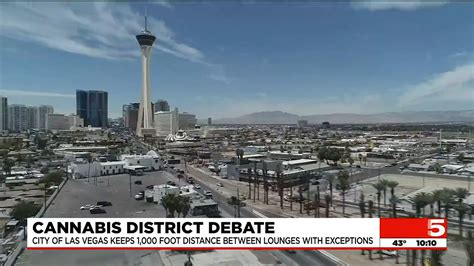
Unveiling Las Vegas: Location in Clark County Explored Hey there, guys! Ever wondered about
Las Vegas’s true home
? We all know it as Sin City, the Entertainment Capital of the World, a beacon of neon and excitement in the vast desert. But dig a little deeper, and you’ll find it’s firmly rooted in a specific geographical and administrative area. Today, we’re going on a little journey to answer that burning question:
is Las Vegas located in Clark County
? The short answer is a resounding
yes
, but like everything about Vegas, there’s so much more to uncover. Understanding its location, particularly its relationship with Clark County, is key to grasping not just the city itself, but the broader region that supports its legendary status. We’ll explore the desert landscape, the bustling municipalities, and the administrative framework that makes
Las Vegas
the unique place it is. So, buckle up, because we’re about to dive deep into the fascinating geography and governance that shapes one of the world’s most iconic destinations. This isn’t just about pinpointing a spot on a map; it’s about understanding the entire ecosystem that allows
Las Vegas
to thrive, from its unique geological features to the intricate layers of local government that keep the lights on and the shows running. We’re going to peel back the layers and truly appreciate the profound connection between the vibrant city and its expansive county. Prepare to have your perceptions broadened about this incredible corner of Nevada!# The Heart of the Mojave: Where Exactly is Las Vegas?
Las Vegas’s location
is famously nestled within the majestic
Mojave Desert
, specifically in the southern part of Nevada. This geographical positioning isn’t just a fun fact; it profoundly influences everything about the city, from its scorching summers and mild winters to its unique ecosystem and water management challenges. When people ask, “
Where is Las Vegas located
?”, the most accurate response starts with its desert environment. The city sits in a basin surrounded by towering mountain ranges, including the Spring Mountains to the west, the Sheep Range to the north, and the McCullough Range to the south, creating a spectacular backdrop to the urban sprawl. These natural boundaries don’t just offer stunning views; they also contribute to the valley’s distinct microclimate, often trapping heat and creating the famously dry conditions. You’ll find
Las Vegas
roughly at a latitude of 36.17° N and a longitude of 115.14° W, with an average elevation of about 2,030 feet (620 meters) above sea level. This elevation might surprise some, as deserts are often perceived as being flat, but the subtle undulations and the surrounding peaks are a defining feature of the
Las Vegas
valley. Being in the
Mojave Desert
means that while the landscape is dominated by sparse vegetation, cacti, and resilient desert flora, it’s also incredibly diverse with hidden springs and unique wildlife adapted to these extreme conditions. The city’s growth here is a testament to human ingenuity and resourcefulness in making a verdant oasis in an otherwise arid region. The proximity of
Las Vegas
to major hubs in neighboring states is also a key aspect of its geographical allure. It’s approximately a four-hour drive from Los Angeles, California, making it a popular weekend getaway for millions. Similarly, it’s easily accessible from Phoenix, Arizona, and Salt Lake City, Utah, establishing it as a central hub for entertainment and business in the Southwest. This strategic positioning has undoubtedly contributed to its massive success as a tourist destination, drawing visitors from across the country and the globe. The development of major highways like I-15 has further cemented its role as a regional connector, facilitating commerce and tourism alike. The very existence of
Las Vegas
in this arid land is a marvel, built on the careful management of natural resources, particularly water from Lake Mead, which we’ll touch upon later. It’s a city that truly defies its surroundings, turning a challenging environment into a land of endless possibilities. Understanding this desert heart is the first step in truly appreciating
Las Vegas’s location
within Clark County and the broader American Southwest. The challenges of the desert have only made its triumph more spectacular, shaping its culture, architecture, and the very spirit of its people. So, when you’re strolling down the Strip or exploring Fremont Street, remember, guys, you’re not just in a city; you’re in an incredible human achievement, carved out of the rugged beauty of the
Mojave Desert
. This inherent resilience and innovative spirit are truly what make
Las Vegas
so extraordinary, a shining example of what happens when vision meets perseverance in an unlikely place. Every drop of water, every green patch, every air-conditioned building is a testament to overcoming geographical odds, creating a vibrant metropolis where nature and luxury coexist in a unique and captivating dance, all thanks to its specific
geographical location
in Southern Nevada. This detailed understanding of its natural setting is crucial for anyone trying to grasp the full essence of
Las Vegas
and its dynamic presence in the world. It’s a place where the sun always shines, and the opportunities are as vast as the desert itself, making
Las Vegas
a truly unparalleled destination defined by its incredible surroundings and its place within the broader tapestry of the
Mojave Desert
.# Clark County: The Governing Body Behind the GlitzAlright, let’s talk about
Clark County
, because this is where the
administrative heart
of
Las Vegas
truly lies. While many people think of Las Vegas as one monolithic city, the reality is a bit more nuanced and interesting, especially when you bring
Clark County
into the picture. Clark County is not just some arbitrary administrative division; it’s the most populous county in Nevada, home to over two million residents, and it encompasses a vast area, covering approximately 8,091 square miles. To put that into perspective, it’s larger than several U.S. states! It’s the governmental body that oversees a significant portion of the Las Vegas metropolitan area, including the
City of Las Vegas
itself, along with a collection of other vibrant cities and numerous unincorporated communities. These include major cities like Henderson, North Las Vegas, Boulder City, and Mesquite, each with its own distinct character and contributions to the broader region. Understanding that
Clark County
is the overarching authority is crucial, especially when discussing areas like the famous
Las Vegas Strip
. Here’s a mind-bender for you:
the Las Vegas Strip
, that iconic stretch of casinos, resorts, and entertainment venues that most people picture when they think of “Las Vegas,” is actually located in an
unincorporated area of Clark County
, not within the official city limits of the City of Las Vegas! This means that while it’s colloquially referred to as Las Vegas, it’s governed directly by Clark County services and regulations, rather than the municipal government of the City of Las Vegas. This distinction can lead to different laws and ordinances, affecting everything from building codes to specific business regulations, making it a fascinating point of interest for both residents and visitors. The county seat, by the way, is the City of Las Vegas, further intertwining their identities.
Clark County
plays an enormous role in managing the infrastructure and services that support such a massive and rapidly growing population. Its responsibilities are incredibly broad, covering essential services such as public safety (the Las Vegas Metropolitan Police Department, or Metro, is a joint city-county agency), fire protection, public works (roads, sanitation, flood control), parks and recreation, social services, and planning and zoning for development across vast tracts of land. They’re also responsible for overseeing the McCarran International Airport (now Harry Reid International Airport), which is a critical gateway for millions of tourists flocking to
Las Vegas
. The history of
Clark County
is deeply intertwined with the rise of Las Vegas. Established in 1909, it was named after William Andrews Clark, a Montana senator and railroad magnate who played a key role in the development of the region, particularly the construction of the San Pedro, Los Angeles and Salt Lake Railroad. This railroad was instrumental in the founding of Las Vegas itself, making the naming of the county a fitting tribute. As Las Vegas grew from a small railroad town into a global entertainment powerhouse,
Clark County
grew alongside it, adapting its governance and services to meet the demands of an ever-expanding populace and a booming tourism industry. The county’s ability to manage this explosive growth, while preserving natural resources and maintaining a quality of life for its diverse communities, is a testament to its administrative capabilities. Without the comprehensive governance of
Clark County
, the organized chaos and dazzling efficiency of the
Las Vegas
experience simply wouldn’t be possible. So, the next time you visit, or if you’re a local, remember that there’s a huge, bustling county working tirelessly behind the scenes to keep the magic alive, ensuring that not just the city, but the entire region, continues to thrive and shine brightly in the Nevada desert. It’s truly a complex and fascinating relationship that defines this entire corner of the world, making
Clark County
far more than just a name on a map; it’s the very foundation of the glitz and glamour that draws millions annually. Its extensive jurisdiction ensures that everything from roads to schools, from water management to public safety, is orchestrated for the benefit of both the iconic city and its surrounding communities. Understanding the scope and influence of
Clark County
is fundamental to appreciating the intricate web of governance that makes the
Las Vegas
metropolitan area such a well-oiled machine. It’s a huge, bustling engine powering the entire region, making sure that the desert oasis continues to flourish. # Beyond the Strip: Other Gems in Clark CountyOkay, guys, while the
Las Vegas Strip
rightfully steals the spotlight with its dazzling casinos and world-class entertainment, it’s absolutely essential to remember that
Clark County
is so much more than just that iconic stretch of road. Seriously, if you only experience the Strip, you’re missing out on an incredible array of natural beauty, outdoor adventures, and charming communities that make this region truly unique. One of the crown jewels of
Clark County
is the
Red Rock Canyon National Conservation Area
. Just a short drive west of the Strip, this place feels like a different planet. Imagine dramatic red sandstone formations, ancient petroglyphs, and breathtaking scenic drives, perfect for hiking, rock climbing, or just soaking in the serene desert landscape. It’s a phenomenal escape from the hustle and bustle, offering a stark and beautiful contrast to the neon lights. Many locals and savvy visitors swear by Red Rock for a dose of nature and tranquility. Then, heading east, you’ll discover the sprawling
Lake Mead National Recreation Area
, the largest man-made lake in the Western Hemisphere. Formed by the mighty
Hoover Dam
(another
Clark County
marvel we’ll get to in a sec), Lake Mead offers incredible opportunities for boating, fishing, swimming, kayaking, and paddleboarding. The vast blue waters against the rugged desert mountains are a sight to behold, providing a refreshing retreat, especially during the warmer months. It’s a testament to the ingenuity that allows a desert city to flourish, literally holding the water supply for millions. Speaking of the
Hoover Dam
, this engineering masterpiece is not only a vital source of water and hydroelectric power for
Las Vegas
and the Southwest, but it’s also an incredible historical and architectural attraction. You can take tours inside the dam, walk across its top, and marvel at the sheer scale of this Depression-era achievement. It’s a powerful reminder of human determination and a truly awe-inspiring sight that definitely deserves a spot on your
Clark County
itinerary. Beyond these natural wonders,
Clark County
is home to several vibrant cities, each with its own distinct flavor.
Henderson
, for example, is Nevada’s second-largest city and often lauded for its family-friendly atmosphere, extensive parks system, and master-planned communities like Lake Las Vegas, which offers stunning waterfront properties and golf courses. It’s a fantastic place for outdoor activities, with numerous trails for walking and cycling.
North Las Vegas
, on the other hand, is a rapidly growing city known for its industrial development, logistics centers, and diverse residential areas. It plays a crucial economic role in the region, providing vital infrastructure and employment opportunities. Don’t forget
Boulder City
, a quaint and historic town built specifically to house the workers who constructed the
Hoover Dam
. It boasts a charming downtown, antique shops, and a slower pace of life, offering a delightful contrast to the energetic pace of
Las Vegas
. It’s also one of the only cities in Nevada where gambling is prohibited, adding to its unique appeal. Further afield in
Clark County
, you can find smaller, more remote communities, ghost towns that tell tales of Nevada’s mining past, and even opportunities for stargazing in truly dark skies. Places like Searchlight and Laughlin (which sits on the Colorado River, offering its own set of casinos and water sports) showcase the diverse landscape and culture of the county. These varied destinations prove that
Clark County
is a treasure trove of experiences far beyond the typical tourist hotspots. Whether you’re an outdoor enthusiast, a history buff, or simply looking for a different vibe, exploring the broader reaches of
Clark County
will undoubtedly enrich your understanding and appreciation for this dynamic region, revealing that there’s a whole lot of awesome packed into this corner of Nevada. So, next time you’re planning a trip, don’t just limit yourself to the casinos; venture out and discover the incredible variety that
Clark County
has to offer, from majestic canyons to serene lakes, and charming small towns. It’s a truly captivating area, full of hidden gems waiting to be explored, proving that
Clark County
really does have something for everyone. # Why Clark County Matters: Impact on Residents and VisitorsAlright, guys, let’s get down to the brass tacks of
why Clark County matters
so much, not just for the dazzling tourists, but crucially for the millions of people who call this vibrant region home. The simple fact that
Las Vegas
is situated within
Clark County
has profound and far-reaching impacts on pretty much every aspect of daily life and the overall visitor experience. It’s not just an administrative formality; it’s the framework that governs everything from how your roads are maintained to how your children are educated, and even the rules around that slot machine you’re playing. For residents,
Clark County
is the unseen hand that shapes much of their existence. Think about public services: the
Las Vegas Metropolitan Police Department
(
Metro
) is a joint city-county agency, meaning it provides law enforcement across both the City of Las Vegas and unincorporated Clark County, ensuring a unified approach to public safety. Similarly, fire departments and emergency medical services are often coordinated or provided directly by the county or through agreements that cover wide areas. This ensures efficient responses regardless of precise municipal boundaries. When it comes to education, the
Clark County School District
(CCSD) is one of the largest in the United States, educating hundreds of thousands of students across the entire county. This massive system is managed by the county, dictating everything from curriculum to school funding, directly impacting families in
Las Vegas
and its surrounding cities. Beyond immediate services,
Clark County
is responsible for critical infrastructure and planning. They manage a vast network of roads, public transportation routes (like the RTC), and massive flood control projects, which are absolutely vital in a desert environment prone to flash floods. Zoning laws and urban planning decisions made at the county level determine where new housing developments can go, where businesses can operate, and how green spaces are preserved. These decisions directly influence property values, traffic patterns, and the overall quality of life for residents. For visitors, understanding the role of
Clark County
can save you from a few headaches and enhance your trip. As we mentioned, the
Las Vegas Strip
falls under county jurisdiction. This means certain ordinances, like those regarding open containers of alcohol or specific public behaviors, might differ slightly from those within the actual City of Las Vegas limits (like downtown Fremont Street). Knowing this distinction can help tourists navigate the legal landscape and avoid unintentional infractions. Furthermore, the county is instrumental in regulating the tourism industry itself. Licenses for casinos, hotels, and various entertainment venues are often issued and overseen by
Clark County
departments, ensuring compliance with safety standards, gambling regulations, and business practices. The revenue generated from these industries, including sales taxes and gaming taxes, flows significantly into
Clark County
coffers, which then funds many of the services residents and visitors alike rely upon. This economic engine is symbiotic: the success of
Las Vegas
fuels the county, and the county’s effective governance allows
Las Vegas
to flourish. The county also plays a crucial role in public health, managing everything from restaurant inspections to disease control, a critical function that became even more apparent during recent global health challenges. They oversee parks and recreational facilities, providing places for locals to exercise, relax, and connect with nature, balancing the urban intensity with much-needed green spaces. In essence, the relationship between
Las Vegas
and
Clark County
is one of profound interdependence. The county provides the foundational governance, infrastructure, and services that enable
Las Vegas
to be the global icon it is, while the city, in turn, contributes immense economic power and cultural identity to the county. It’s a partnership that ensures the desert metropolis continues to thrive, evolve, and entertain millions, all thanks to the intricate and indispensable role of
Clark County
. So next time you’re marveling at the bright lights or enjoying a quiet moment in a local park, remember the enormous influence of the county working tirelessly behind the scenes to make it all happen, making
Clark County
an absolutely vital force in shaping this incredible part of Nevada. It’s the invisible backbone, guys, supporting the dazzling display that everyone knows and loves. # Navigating Las Vegas and Clark County: Tips for VisitorsAlright, adventurers! Now that we’ve delved deep into the fascinating reality of
Las Vegas’s location
within
Clark County
, it’s time to equip you with some practical tips for navigating this incredible region like a seasoned pro. Understanding the distinction between the
City of Las Vegas
and the broader
Clark County
can genuinely enhance your visit, helping you explore beyond the typical tourist traps and truly appreciate the diverse offerings of Southern Nevada. First things first, when you’re looking at addresses or planning your routes, it’s super helpful to remember that places like the
Las Vegas Strip
(MGM Grand, Bellagio, Caesars Palace, etc.) are actually located in
unincorporated Clark County
. This means if you see a resort listed with a “Las Vegas, NV” address, it might still technically be outside the city limits. Why does this matter? Well, for most tourists, it won’t drastically change your experience, but it can occasionally affect things like local ordinances or even how certain emergency services are dispatched. For example, some rules about open containers of alcohol or street performers might subtly differ between the Strip and Downtown Las Vegas (which is within the official
City of Las Vegas
limits). Always check local signage or official sources if you have questions! Transportation within
Clark County
is generally excellent, especially around the major tourist corridors. The
Regional Transportation Commission of Southern Nevada
(RTC) operates a comprehensive bus system, including the Deuce on the Strip, which is perfect for hopping between resorts without the expense of taxis or rideshares. For exploring areas further afield in
Clark County
, like
Red Rock Canyon
or
Lake Mead
, renting a car is highly recommended. This gives you the freedom to explore at your own pace and discover the countless natural wonders and charming towns that lie beyond the city lights. Don’t limit your visit to just the Strip! While the glittering resorts are undeniably iconic, make sure to carve out time to explore other parts of
Clark County
. Venture downtown to
Fremont Street Experience
for a different vibe, historic casinos, and a fantastic light show. Then, truly embrace the spirit of adventure by heading out to the natural attractions. A half-day trip to
Red Rock Canyon
for a scenic drive or a short hike will offer a stunning contrast to the urban landscape. Or consider a day trip to the
Hoover Dam
and
Lake Mead
, where you can marvel at engineering prowess and enjoy some serene natural beauty. These experiences add a tremendous amount of depth to your understanding of the region. If you’re staying for an extended period or thinking about moving, explore the various residential communities within
Clark County
. Cities like
Henderson
and
North Las Vegas
, and master-planned communities like Summerlin, offer diverse living options with different amenities, schools, and atmospheres. Each has its own distinct personality, providing a wide range of choices depending on your lifestyle and preferences. You’ll find fantastic parks, golf courses, and community events in these areas, offering a true local flavor away from the tourist crush. When planning activities, always consider the extreme desert climate. Hydration is key, especially during the summer months when temperatures can soar well over 100°F (38°C). If you’re exploring outdoors, go early in the morning or later in the afternoon, and always carry plenty of water. Sunscreen, hats, and sunglasses are your best friends here, guys! Finally, engage with the locals! The people of
Clark County
are incredibly diverse and often have fantastic recommendations for hidden gems, delicious eateries off the Strip, or unique experiences that aren’t in the guidebooks. Don’t be shy about asking for suggestions; you might just uncover your new favorite spot. By keeping these tips in mind, you’ll be well-prepared to not only enjoy the unparalleled excitement of
Las Vegas
but also to fully appreciate the vast and varied landscapes, communities, and adventures that
Clark County
proudly offers. It’s a region rich in experiences, just waiting for you to explore it all, from the bright lights of the Strip to the serene beauty of the desert mountains. So go forth, explore, and enjoy every amazing moment this incredible corner of Nevada has to offer, truly experiencing all the wonders of
Clark County
.# ConclusionSo, guys, we’ve taken quite a journey, haven’t we? From the shimmering neon of the Strip to the rugged beauty of the Mojave Desert, we’ve definitively answered the question:
is Las Vegas located in Clark County
? The answer, as we’ve thoroughly explored, is an emphatic
yes
, but it’s a “yes” layered with fascinating details and crucial distinctions. We’ve discovered that
Las Vegas’s location
isn’t just a dot on a map; it’s a dynamic interplay between a thriving metropolis and the vast, diverse
Clark County
that surrounds and governs it. We dove into the geographical heart of the city, understanding its unique position in the Mojave Desert and how this environment shapes its very essence. We peeled back the layers of governance, revealing how
Clark County
acts as the powerful administrative backbone, providing essential services and infrastructure that allow not only the
City of Las Vegas
but also its equally important neighbors like Henderson and North Las Vegas, to flourish. We ventured beyond the iconic Strip, uncovering the breathtaking natural wonders like Red Rock Canyon and Lake Mead, alongside the historical marvel that is the Hoover Dam, all residing within the expansive borders of
Clark County
. We also considered the profound impact of this relationship, demonstrating
why Clark County matters
so much to both the millions of residents who call this place home and the countless visitors who flock to its vibrant attractions. Finally, we equipped you with practical tips for navigating this incredible region, encouraging you to explore beyond the usual hotspots and truly immerse yourselves in the rich tapestry of experiences that Southern Nevada has to offer. In essence, understanding
Las Vegas’s location
in
Clark County
isn’t just about geography; it’s about appreciating the intricate ecosystem that allows this extraordinary desert oasis to exist and thrive. It’s about recognizing the balance between urban ambition and natural beauty, between local governance and global appeal. So, the next time you hear someone talk about Las Vegas, you’ll have a deeper, richer understanding of its true home and the amazing county that makes it all possible. This synergy is what makes
Las Vegas
and
Clark County
truly unique, a testament to human innovation and the enduring allure of a place that continues to capture the imagination of the world. It’s a place where the lights shine brightest because of the solid foundation it stands upon. Thanks for joining me on this exploration, guys! Keep exploring, keep learning, and keep appreciating the incredible complexities of our world.
