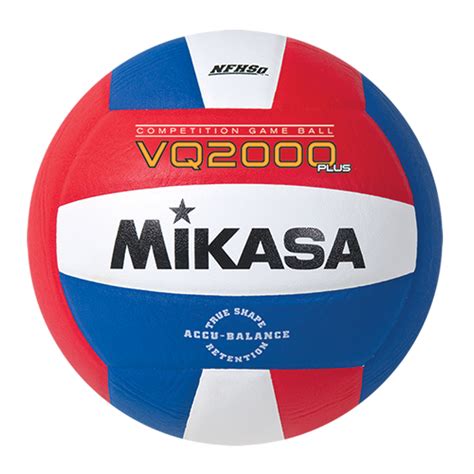
The Ultimate Guide to Original Mikasa Volleyballs\n\nHey there, volleyball enthusiasts! Ever wondered if that Mikasa ball you’re eyeing is the
real deal
? With so many options out there, it can be tough to distinguish an
original Mikasa volleyball
from a clever fake. But don’t you worry, because in this ultimate guide, we’re going to dive deep into everything you need to know about spotting, choosing, and loving your
genuine Mikasa volleyball
. Trust me, playing with an authentic Mikasa ball, whether it’s for an intense indoor match or a sunny beach game, makes a world of difference. It’s not just about the brand; it’s about the quality, performance, and the sheer joy of the game. So, let’s get you equipped with all the knowledge to ensure your next serve, bump, or spike is powered by nothing but the best!\n\n## Why Choosing an Original Mikasa Volleyball Matters\n\nChoosing an
original Mikasa volleyball
isn’t just a preference; it’s a commitment to quality, performance, and an unmatched playing experience. When you invest in a
genuine Mikasa volleyball
, you’re not just buying a ball; you’re buying into decades of expertise, innovation, and a standard that’s trusted by professional leagues and players worldwide, including the FIVB (International Volleyball Federation). Let’s be real, guys, nobody wants to show up to a game with a ball that feels off, deflates quickly, or just doesn’t perform as expected. That’s why understanding the importance of authenticity is your first step towards elevating your game. An authentic ball offers superior touch, consistent flight characteristics, and excellent durability, ensuring your rallies are fluid and your training is effective. It truly enhances every aspect of your play, from the precision of your passes to the power of your spikes. Without the right ball, your technique and consistency can suffer, leading to frustration instead of fun. Imagine practicing your perfect float serve, only for the ball to wobble inconsistently mid-air – that’s often a sign of an inferior, non-original product. Therefore, investing in an original pays dividends in performance and enjoyment.\n\nFirst and foremost,
quality construction
is a hallmark of an original Mikasa. These balls are meticulously crafted using high-grade materials that are designed to withstand the rigors of intense play. We’re talking about premium synthetic leather covers that offer a soft touch without sacrificing durability. This material choice is crucial for consistent performance and player comfort. Unlike many imitations that might use cheaper, less resilient plastics or rubber, Mikasa employs advanced composite materials that are specifically engineered for volleyball. This means the ball maintains its shape, feel, and performance over countless games and practices. You’ll notice the difference in every touch – the way it responds to your hands, the consistency of its bounce, and its ability to hold air pressure, ensuring optimal performance throughout the game. This attention to detail in manufacturing ensures that an original Mikasa volleyball will be a reliable partner on the court for a very long time, offering you excellent value for your money. Think about it: a ball that quickly wears out or loses its shape is not only frustrating but also a waste of your hard-earned cash. A genuine Mikasa, on the other hand, is built to last, providing consistent quality game after game.\n\nSecondly,
optimal performance
is non-negotiable for serious players. Mikasa volleyballs are engineered for aerodynamic stability and predictable flight paths, which are critical for precise passes, accurate sets, and powerful attacks. The panel design, whether it’s the iconic 8-panel swirl of the MVA200 or the new 18-panel dimpled surface of the V200W, is not just for aesthetics. These designs are scientifically developed to reduce air resistance and provide better grip, giving players more control over the ball. Fakes often lack this precise engineering, resulting in erratic flight patterns and an unpredictable bounce, which can seriously hinder your game development and enjoyment. When you’re trying to perfect your technique, the last thing you need is a ball that behaves differently every time you hit it. An
original Mikasa volleyball
ensures that when you execute a perfect pass, the ball goes exactly where you intended it, not off course due to manufacturing inconsistencies. This consistent performance allows you to focus on your skills, not on compensating for the ball’s shortcomings, making your training sessions far more productive and enjoyable. This commitment to performance is why these balls are chosen for international tournaments and by top athletes worldwide; they rely on that consistent feel and flight to perform at their peak. It’s truly a game-changer for anyone serious about improving their volleyball skills.\n\nLastly, let’s talk about
durability and longevity
. An
original Mikasa volleyball
is built to endure. The internal construction, including the bladder and winding, is designed for maximum air retention and shape stability. This means fewer interruptions for re-inflation and a ball that maintains its roundness and responsiveness over extensive use. Cheaper alternatives often suffer from poor air retention, meaning you’re constantly pumping them up, or they quickly deform, becoming lopsided and unusable. While the initial investment for a genuine Mikasa might be higher than a knock-off, its extended lifespan and consistent performance offer far greater value in the long run. Plus, there’s a safety aspect: poorly constructed balls can burst unexpectedly or cause discomfort. With Mikasa, you’re getting a product that meets stringent safety and quality standards. This peace of mind allows you to focus solely on the game, knowing your equipment won’t let you down. It’s about respecting your game, your time, and your money by choosing a product that consistently delivers excellence. So, next time you’re about to make a purchase, remember these points and opt for an original Mikasa – your game will thank you!\n\n## Key Features of Genuine Mikasa Volleyballs\n\nAlright, guys, now that we know
why
an original matters, let’s get down to the nitty-gritty:
how to actually spot a genuine Mikasa volleyball
by looking at its key features. This is where you become a super-sleuth, armed with knowledge to differentiate the real from the fake. Mikasa puts a lot of effort into its design and manufacturing, and these details are your best friends in identifying authenticity. We’ll examine everything from the materials to the specific markings, ensuring you can confidently make an informed purchase. Pay close attention to these elements, as they are the tell-tale signs that set an authentic Mikasa apart from its imitations. Understanding these unique characteristics will not only help you avoid counterfeits but also appreciate the craftsmanship that goes into every genuine ball, making your playing experience truly superior. This section is all about empowering you with the practical knowledge to make smart choices.\n\nFirst up is the
material and surface texture
. An
original Mikasa volleyball
, especially the popular V200W or MVA200 models, uses a high-quality, dimpled synthetic leather cover. This isn’t just a smooth, shiny surface. The dimples are precisely engineered to improve grip and provide a more stable flight path by reducing air resistance. When you touch an original Mikasa, it should feel soft yet firm, almost a little grippy, without being sticky. The texture is consistent across all panels. Fakes often use cheaper, smoother PVC or synthetic materials that feel slick, plasticky, or even rubbery. They might try to mimic the dimpled pattern, but it often feels shallower, less uniform, or simply painted on rather than integrated into the material’s structure. Take a moment to really feel the ball; does it have that distinct, premium touch that makes you want to hold onto it? This tactile sensation is a crucial indicator. The color saturation and finish should also be consistent and vibrant, not dull or prone to fading. Pay attention to how the light reflects off the surface – a genuine Mikasa will have a subtle sheen that speaks of its quality, unlike the often overly glossy or flat appearance of counterfeits. This meticulous attention to material choice and surface finishing is a hallmark of Mikasa’s commitment to optimal playability and durability, providing players with the best possible contact and control during rallies. Don’t underestimate the power of touch; it can reveal a lot about the ball’s authenticity and overall quality.\n\nNext, let’s inspect the
panel construction and stitching/bonding
. Mikasa is renowned for its specific panel designs. For instance, the V200W features an 18-panel aerodynamic design, while the classic MVA200 has an 8-panel design. What’s important here is the
precision
of these panels. They should be perfectly uniform in size and shape, with extremely tight seams where they meet. For traditionally stitched balls, the stitching should be neat, even, and almost invisible, lying flush with the surface. For thermally bonded balls (like many modern Mikasa competition balls), the seams should be perfectly smooth and integrated, with no visible gaps or unevenness. On counterfeits, you might see irregular panel shapes, sloppy stitching, visible glue residue, or unevenly bonded seams. The alignment of the panels is also key; they should align perfectly to create a truly spherical shape. Any bumps, ridges, or misaligned panels are major red flags. This precise engineering isn’t just for looks; it contributes significantly to the ball’s balance and flight characteristics. A poorly constructed ball will feel lopsided, affecting your control and consistency during play. Remember, every panel on an
original Mikasa volleyball
is placed with purpose and precision, contributing to its overall integrity and performance. The seamless transition between panels, especially on thermally bonded models, is a testament to the advanced manufacturing processes that counterfeits simply cannot replicate, making this a very reliable indicator of authenticity.\n\nDon’t forget the
valve system and air retention
. The inflation valve on an
original Mikasa volleyball
should be discreet, well-seated, and flush with the surface of the ball. It should feel robust and high-quality, designed to prevent air leakage effectively. When you inflate the ball, it should hold air pressure consistently over a long period. Fakes often have cheap, protruding, or leaky valves that quickly lose air, forcing constant re-inflation. A good test, if possible, is to inflate the ball and check it again after a day or two; a genuine Mikasa will retain its pressure remarkably well. The valve itself should also be free from any manufacturing defects, such as rough edges or misalignment. Furthermore, the overall
weight and size
of the ball are critical. All
original Mikasa volleyballs
adhere strictly to FIVB regulations for weight (260-280g) and circumference (65-67cm for indoor, 66-68cm for beach). While you might not carry a scale and measuring tape, a ball that feels noticeably too light, too heavy, too small, or too large is a definite warning sign. Trust your gut feeling, but also cross-reference with official specifications if you’re in doubt. These strict adherence to regulations ensures that professional and recreational players alike are using a ball that performs as expected in official gameplay, providing a level playing field for everyone. The internal bladder system of an original ball is also superior, contributing to both air retention and the consistent bounce, which are often compromised in lower-quality counterfeits. By scrutinizing these detailed features, you’re well on your way to becoming a pro at identifying genuine Mikasa quality!\n\n## How to Spot a Fake Mikasa Volleyball: A Practical Checklist\n\nOkay, squad, let’s get down to business:
how to spot a fake Mikasa volleyball
with a practical, no-nonsense checklist. You’ve learned about the features of a genuine ball, but now we’re going to explicitly call out the red flags that scream
