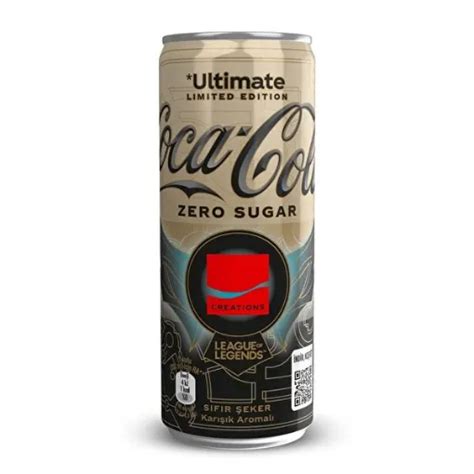
The Ultimate Guide: Coca-Cola Light vs. Zero SugarHey everyone, ever stood in the soda aisle, scratching your head, wondering what the real deal is between
Coca-Cola Light
(often known as
Diet Coke
in many regions) and
Coca-Cola Zero Sugar
? You’re definitely not alone, guys. This is one of the most common beverage quandaries out there, and for a good reason! Both promise the iconic Coca-Cola taste without the sugar and calories, but they are distinct products with different histories, flavor profiles, and target audiences. Understanding these differences isn’t just about picking a drink; it’s about making an informed choice that aligns with your taste preferences and even your lifestyle goals. For decades, Coca-Cola has been a staple, and as consumers became more health-conscious, the brand innovated, introducing these
low-calorie
and
sugar-free
alternatives. But the subtle nuances between them can be surprisingly significant, impacting everything from your initial sip to your overall perception of the Coca-Cola experience. We’re going to dive deep into what makes
Coca-Cola Light
tick, exploring its legacy as a groundbreaking
diet soda
and how it carved out its own unique space in the market. We’ll also unpack the brilliance behind
Coca-Cola Zero Sugar
, a product meticulously crafted to mimic the “real” taste of original Coca-Cola, but completely
sugar-free
. We’ll compare their ingredients, discuss the
artificial sweeteners
they employ, and even touch upon the marketing strategies that have positioned them differently over the years. This isn’t just a technical breakdown; it’s an exploration into beverage science, consumer psychology, and the art of brand differentiation. Many people assume they are simply the same product with a different name, or perhaps one is just a newer version of the other, but that’s not quite the full picture. There are key distinctions in their formulation that lead to slightly, yet noticeably, different
taste experiences
. We’ll help you understand
why
these differences exist and
how
they might influence your personal preference. Whether you’re a long-time
Diet Coke
enthusiast, a loyal
Coke Zero Sugar
drinker, or someone just looking to make a healthier swap, this comprehensive guide is designed to give you all the juicy details. Get ready to finally solve the
Coca-Cola Light vs. Zero Sugar
mystery and find out which one truly deserves a spot in your fridge. Let’s unravel the secrets behind these two beloved
sugar-free beverages
and empower you to make the perfect choice for your next refreshing moment! This deep dive will ensure you’re not just guessing anymore, but truly understanding the nuances of these popular drinks.## Coca-Cola Light (Diet Coke): The Trailblazing Low-Calorie ClassicAlright, let’s talk about
Coca-Cola Light
, or as many of us across the globe know it,
Diet Coke
. This beverage isn’t just a
sugar-free soda
; it’s a bona fide icon, a product that literally revolutionized the beverage industry when it first launched back in 1982. Imagine a world where the only “diet” option was often seen as bland or medicinal.
Diet Coke
changed all that, presenting a crisp, refreshing, and genuinely tasty
low-calorie
alternative that quickly became a phenomenon. It wasn’t marketed as “Coke without sugar”; instead, it stood on its own, with its own distinct flavor profile, which is a crucial point in understanding its difference from
Coke Zero Sugar
. When
Diet Coke
hit the shelves, its unique blend of
artificial sweeteners
, primarily aspartame, gave it a lighter, often described as tangier or more effervescent, taste compared to traditional Coca-Cola. This difference was intentional. The company wanted to create a product that appealed to a new demographic, particularly adults who were keen on managing their calorie intake but didn’t want to compromise on flavor. It became a symbol of modern living, often associated with fashion, pop culture, and a more sophisticated, health-conscious lifestyle. Think about the iconic commercials and the sheer cultural impact;
Diet Coke
wasn’t just a drink, it was a statement. Its success was massive, quickly becoming one of the best-selling soft drinks worldwide and establishing the entire
diet soda
category as a legitimate contender in the beverage market. For over four decades, it has maintained its popularity, building a fiercely loyal fanbase who absolutely adore its characteristic taste. Many people grew up with
Diet Coke
as their go-to
sugar-free beverage
, and for them, its taste is the epitome of a
diet soda
. They might even prefer its distinct flavor to that of original Coca-Cola, appreciating its unique zest and lack of syrupy sweetness. The brand positioned
Diet Coke
as an aspirational drink, not just a substitute, which helped it avoid the common pitfall of
diet products
being perceived as inferior. Its packaging, often sleek and modern, further reinforced this image. So, when you sip on a
Diet Coke
, you’re not just tasting a
low-calorie soda
; you’re experiencing a piece of beverage history, a product that paved the way for countless other
sugar-free options
and continues to hold its own as a beloved classic. Its enduring appeal truly speaks volumes about its unique
taste profile
and successful branding strategy, making it a timeless choice for many
sugar-conscious consumers
. It truly represents a significant milestone in the evolution of
carbonated soft drinks
, offering a delightful refreshment that stands apart.## Coca-Cola Zero Sugar: The “Real Coke Taste,” Sans the SugarNow, let’s switch gears and talk about
Coca-Cola Zero Sugar
, a more recent, yet equally impactful, innovation from the Coca-Cola company. Introduced in 2005 as
Coca-Cola Zero
(and later rebranded to
Coca-Cola Zero Sugar
to emphasize its key attribute), this drink arrived with a very clear mission: to deliver the
authentic taste of original Coca-Cola
, but with zero sugar and zero calories. This was a direct response to consumer feedback, which often expressed a desire for a
sugar-free alternative
that truly mimicked the flavor profile of the classic red can. While
Diet Coke
carved its own flavor niche, many consumers still craved that specific
Coca-Cola taste
they knew and loved, just without the sugar.
Coke Zero Sugar
was the answer, meticulously formulated to taste as close as possible to the flagship product. The strategy here was different from
Diet Coke
. Instead of creating a new, distinct flavor, the goal was replication. To achieve this,
Coca-Cola Zero Sugar
also primarily uses a blend of
artificial sweeteners
, notably aspartame and acesulfame potassium (Ace-K). However, the specific
blend and ratios
of these sweeteners, along with other flavorings, are carefully calibrated to emulate the original sugar-sweetened beverage. This focus on
taste replication
is what truly sets it apart from
Diet Coke
. The marketing for
Coke Zero Sugar
has consistently reinforced this idea, often showcasing comparisons to the original Coca-Cola and directly appealing to fans of the classic who are looking to cut down on sugar without sacrificing the
familiar taste
. This approach proved incredibly successful, attracting a demographic that might have found
Diet Coke
’s flavor too different from what they expected from a Coca-Cola product.
Coca-Cola Zero Sugar
quickly gained a massive following, especially among younger consumers and men, who were often targeted with campaigns emphasizing its “manly” adherence to the original taste, contrasting with
Diet Coke
’s more gender-neutral or female-leaning marketing. The rebranding to
Coca-Cola Zero Sugar
was a deliberate move to make its
sugar-free
nature explicitly clear to consumers, further cementing its position as a direct
sugar-free alternative
to the original. This beverage is perfect for those who want that unmistakable
Coke taste
—that perfect balance of sweetness, acidity, and effervescence—but are committed to a
zero sugar
diet. It truly delivers on its promise, providing a satisfying and guilt-free experience that closely mirrors the original. So, if you’ve always loved the taste of regular Coca-Cola and are searching for a
healthier swap
that doesn’t compromise on flavor,
Coca-Cola Zero Sugar
is likely your best bet, offering an incredibly faithful
sugar-free rendition
of a beloved classic. Its success highlights the growing demand for
health-conscious options
that don’t force consumers to sacrifice their preferred flavors, making it a cornerstone of the modern
low-calorie beverage
market.## Key Differences and Similarities: Decoding the Sweet DivideAlright, guys, let’s get down to brass tacks and really dissect the
key differences and similarities
between
Coca-Cola Light
(aka
Diet Coke
) and
Coca-Cola Zero Sugar
. While both are fantastic
sugar-free, zero-calorie beverages
, they are far from identical twins. The primary, most noticeable distinction lies squarely in their
taste profiles
. As we’ve discussed,
Diet Coke
was engineered to have its own unique, lighter, and somewhat tangier flavor. It has a signature sharpness, an almost citrusy undertone that many fans describe as refreshing and distinct. It’s not trying to be regular Coca-Cola; it’s proudly
Diet Coke
. On the flip side,
Coca-Cola Zero Sugar
was meticulously crafted to replicate the
classic Coca-Cola taste
as closely as possible. If you blind-tested
Coke Zero Sugar
against regular Coke, you’d likely find them remarkably similar, with
Coke Zero Sugar
offering that same rich, rounded, and subtly spiced flavor profile, just without the sugar aftertaste. This fundamental difference in
flavor objective
dictates many other aspects of their formulation.When it comes to
ingredients
, both rely on
artificial sweeteners
to achieve their sweetness without sugar. The main players are
aspartame
and
acesulfame potassium (Ace-K)
.
Diet Coke
historically used a blend that primarily featured aspartame, sometimes with saccharin in certain markets or formulations.
Coke Zero Sugar
, however, consistently uses a combination of aspartame and Ace-K, which experts believe contributes to its closer approximation of sugar’s taste by providing a more complex sweetness profile that mirrors natural sugar more effectively. The
exact ratios
of these sweeteners, along with other proprietary flavorings, are where the magic happens and where the subtle but significant
taste variations
originate. It’s like baking a cake; even with the same core ingredients, slight changes in proportions can yield very different results.Another fascinating difference lies in their
marketing and target demographics
.
Diet Coke
, as we touched upon, has traditionally appealed to a broad audience, with a strong appeal to adult women looking for a stylish,
low-calorie
option. Its branding often emphasizes fashion, sophistication, and a break from the ordinary.
Coca-Cola Zero Sugar
, on the other hand, was initially marketed very heavily towards men who loved the taste of original Coca-Cola but wanted a
sugar-free
version that wasn’t perceived as “diet.” Its advertising often showcased action, energy, and a direct comparison to the “real thing,” aiming to shed any preconceived notions about
diet sodas
. While these demographic lines have blurred over time, the initial positioning clearly defined their separate market segments.However, amidst these differences, there are crucial
similarities
. Both are completely
sugar-free
and
zero-calorie beverages
, making them excellent choices for anyone managing their sugar intake or watching their calorie count. They both provide that satisfying fizz and refreshment characteristic of a
carbonated soft drink
. And importantly, both are products of the Coca-Cola Company, adhering to stringent quality standards and benefiting from global distribution. So, while your tongue might detect distinct nuances, your waistline certainly won’t know the difference in terms of calories or sugar content. The choice between them ultimately boils down to a deeply personal preference for one
taste profile
over the other. Do you prefer the bold, unique zest of
Diet Coke
, or the faithful, familiar flavor of
Coke Zero Sugar
? Understanding these distinctions is key to making your perfect pick in the
sugar-free soda
landscape.## Health and Lifestyle Considerations: Sweeteners and Your Well-beingLet’s shift our focus to something super important, guys: the
health and lifestyle considerations
when choosing between
Coca-Cola Light
(
Diet Coke
) and
Coca-Cola Zero Sugar
. Since both are
sugar-free and calorie-free
, their primary appeal lies in helping people reduce their intake of added sugars, a major recommendation from health organizations worldwide. The big question often revolves around the
artificial sweeteners
used, mainly
aspartame
and
acesulfame potassium (Ace-K)
. It’s totally natural to have questions and concerns about these ingredients, given the amount of information, and sometimes misinformation, circulating online.First, let’s address
aspartame
. This is one of the most thoroughly studied
artificial sweeteners
in the world, approved for use by major regulatory bodies like the U.S. Food and Drug Administration (FDA), the European Food Safety Authority (EFSA), and the Joint FAO/WHO Expert Committee on Food Additives (JECFA). These agencies have consistently concluded that aspartame is safe for human consumption at typical intake levels. The Acceptable Daily Intake (ADI) for aspartame is quite high, meaning you’d have to consume an
enormous
amount of
Diet Coke
or
Coke Zero Sugar
daily—far more than a typical person would—to even approach potentially harmful levels. Most of the negative claims you might hear about aspartame are either anecdotal, based on flawed studies, or not supported by the vast majority of scientific evidence from reputable organizations. For most people, incorporating
diet sodas
with aspartame into a balanced diet is a perfectly safe way to enjoy a sweet taste without the sugar.Then there’s
acesulfame potassium
, or
Ace-K
. This is another widely approved
artificial sweetener
that’s often used in conjunction with aspartame, particularly in
Coca-Cola Zero Sugar
, because the combination can create a more sugar-like taste profile. Like aspartame,
Ace-K
has been extensively reviewed by global health authorities and deemed safe. It’s calorie-free and passes through the body without being metabolized, meaning it doesn’t contribute calories or affect blood sugar levels. Both
Diet Coke
and
Coke Zero Sugar
utilize these sweeteners to deliver their
sugar-free
promise.For individuals managing specific health conditions, like diabetes,
sugar-free beverages
can be a valuable tool. Since they don’t contain sugar, they don’t cause spikes in blood glucose levels, making them a suitable option for those monitoring their carbohydrate intake. However, it’s always smart to consult with a healthcare professional or a registered dietitian, especially if you have chronic conditions or specific dietary needs. They can provide personalized advice based on your individual health profile.Beyond specific health conditions, many people choose
Diet Coke
or
Coke Zero Sugar
as part of a broader
weight management strategy
. By replacing regular sugary sodas with
zero-calorie alternatives
, you can significantly reduce your daily calorie and sugar intake, which can contribute to weight loss or maintenance. It’s about making smarter swaps in your diet without feeling deprived of your favorite treats.One common myth is that
artificial sweeteners
somehow trick your body into craving more sugar or that they negatively impact your gut microbiome. While research in these areas is ongoing, current scientific consensus from major health bodies does not support these claims as definitive risks for the general population when consumed within ADI limits. It’s important to rely on evidence-based information from trusted sources rather than sensationalized headlines.Ultimately, both
Coca-Cola Light
and
Coca-Cola Zero Sugar
offer a
health-conscious option
for enjoying a sweet, fizzy drink without the caloric load of sugar. They empower consumers to make choices that align with their personal health goals, whether that’s managing blood sugar, cutting calories, or simply enjoying a
sugar-free
treat. The key is moderation and understanding that while they are
sugar-free
, they are still processed beverages and should be part of an overall balanced diet. So, rest assured, for most people, reaching for either of these
low-calorie options
is a perfectly acceptable choice on their journey to well-being.## Choosing Your Perfect Sip: Diet Coke or Coke Zero Sugar?Alright, my friends, we’ve journeyed through the histories, the flavors, the ingredients, and even the health aspects of
Coca-Cola Light
(
Diet Coke
) and
Coca-Cola Zero Sugar
. Now comes the fun part: making your ultimate choice! This isn’t about one being definitively “better” than the other; it’s entirely about
personal preference
and what satisfies your specific craving. Both are fantastic
sugar-free, zero-calorie beverages
, but they offer distinct experiences, and understanding these nuances will help you pick your perfect sip every single time.Let’s break it down simply. If you are someone who truly appreciates a unique, crisp, and somewhat
tangier taste
in your soda, then
Coca-Cola Light
(or
Diet Coke
) is likely your champion. Its flavor profile is iconic and distinct, standing apart from regular Coca-Cola. It has a loyal following for a reason—people
love
that specific, lighter, almost zesty quality that defines it. Many who grew up drinking
Diet Coke
have developed a preference for this particular taste, even over the original full-sugar version. If you’re looking for a
refreshing low-calorie drink
that has its own character and isn’t just a sugarless replica, then absolutely, go for the classic
Diet Coke
. It’s a statement beverage for those who prefer its unique identity. Think of it as a separate, delicious entity in the Coca-Cola family, not just a substitute. Its long-standing popularity is a testament to its successful forging of a unique
taste identity
that continues to resonate with millions.However, if your heart truly belongs to the
classic taste of original Coca-Cola
—that rich, robust, and familiar flavor that has defined generations—but you want to enjoy it without any sugar or calories, then
Coca-Cola Zero Sugar
is unequivocally your best bet. This is the product explicitly designed to mimic the
full-sugar Coke experience
as closely as possible. It delivers that same balanced sweetness, the characteristic blend of spices and notes, and the satisfying finish you expect from a red can, all while being completely
sugar-free
. If you’ve tried
Diet Coke
in the past and found it “not quite right” or too different from what you remembered of regular Coke, then
Coke Zero Sugar
was made for you, my friend. It aims to bridge that gap and provide a seamless transition for
Coke Classic
lovers looking for a
healthier alternative
. Its success is a direct result of its ability to deliver on this promise of
taste replication
.So, when you’re standing in front of the beverage cooler, ask yourself: Am I looking for a
sugar-free soda
with its own distinct, lighter taste? If yes, grab a
Diet Coke
. Or am I craving the authentic,
original Coca-Cola taste
, just without the sugar? If that’s the case, reach for a
Coke Zero Sugar
. It’s really that simple. Both offer excellent ways to reduce your
sugar intake
without giving up the pleasure of a
carbonated soft drink
.Ultimately, the best way to make your decision is to simply try both! Grab a can of
Diet Coke
and a can of
Coke Zero Sugar
, chill them perfectly, and do a side-by-side taste test. Pay attention to the initial sip, the mid-palate flavor, and the aftertaste. You might be surprised by which one resonates more with your palate. Remember, there’s no right or wrong answer here; it’s all about what brings you the most enjoyment and aligns with your
lifestyle choices
. Whether you prefer the pioneering spirit of
Diet Coke
’s unique zest or the faithful rendition of
Coke Zero Sugar
’s classic flavor, rest assured, you’re making a great
sugar-free choice
that caters directly to your individual
taste preferences
. Enjoy your drink, whichever you choose!
