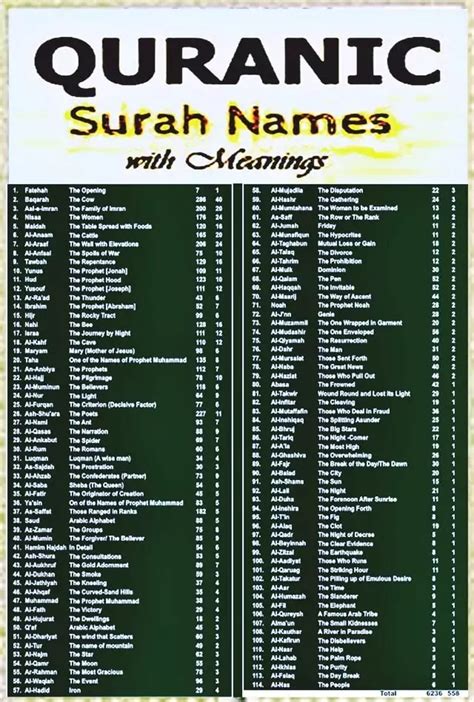
Pencela: Decoding Its Meaning in a Surah’s NameHey guys, ever stumbled upon a word in the Quran that just
hits different
? Today, we’re going to dive deep into one such word:
Pencela
. This isn’t just any ordinary word; it carries a profound meaning, especially when we find it associated with the name of a Surah in the Quran. When we talk about “pencela adalah arti dari nama surah,” we’re really asking about the essence, the core message, and the
divine wisdom
embedded in a specific chapter of the Quran that addresses this very concept. It’s super important to not just translate words literally but to
understand their context
, their historical backdrop, and the powerful lessons they impart. So, let’s embark on this journey together to unpack the layers of meaning behind
pencela
and discover why this concept is so crucial in Islam, and indeed, in our everyday lives. Trust me, it’s more relevant than you might think! This deep dive isn’t just about linguistic understanding; it’s about gaining insights into human nature, our social responsibilities, and the spiritual well-being that comes from avoiding certain negative behaviors. We’ll explore how the Quran, through the powerful imagery and warnings associated with this term, guides us towards a more compassionate and righteous existence. Understanding
pencela
isn’t merely an academic exercise; it’s a practical guide to improving our character and fostering healthier communities. The word itself, while seemingly simple, opens up a universe of ethical considerations that are truly timeless. So, grab your favorite warm drink, settle in, and let’s get ready to unravel the mystery and the critical importance of
pencela
within a Quranic context. It’s going to be an insightful ride, full of valuable lessons for all of us, no matter where we are on our spiritual journey. We’ll find that this ancient wisdom holds modern solutions to some of our most prevalent social issues.## Diving Deeper: The True Meaning of “Pencela”Alright, so let’s get into the nitty-gritty of what
pencela
truly means. This term, at its core, refers to someone who habitually
slanders, backbites, or finds fault
in others. It’s not just a casual criticism; it’s about those who engage in persistent mockery, defamation, and even contempt for others, often behind their backs. The Arabic root words associated with this concept, particularly in the context of the Quran, paint a very vivid picture of such behavior. Think about the words
humazah
and
lumazah
. These aren’t just synonyms; they describe different facets of the act of belittling and slandering.
Humazah
often refers to someone who slanders with their actions or gestures, perhaps through sneers, taunts, or silent contempt. They might use body language to mock or demean. On the other hand,
lumazah
generally refers to someone who slanders with their tongue, using harsh words, insults, or gossip to tear others down. Combined, these terms describe a person who is relentlessly critical, finding joy in pointing out flaws, spreading rumors, and diminishing the dignity of others.
This is a really big deal
in Islam because preserving a person’s honor and dignity is highly emphasized. The Quran and the teachings of Prophet Muhammad (peace be upon him) constantly remind us about the importance of good character, respecting fellow human beings, and avoiding speech that harms or divides. A
pencela
, by definition, goes against these fundamental principles. Their actions erode trust, foster negativity, and can cause immense emotional and social damage. It’s crucial to understand that this isn’t just about making a mistake or an occasional slip of the tongue; it’s about a
pattern of behavior
, a disposition to find fault and to express contempt. The severity of the warnings against such individuals in the Quran highlights just how destructive this trait is, not only for the person being slandered but also for the slanderer themselves and for the wider community. It breeds an environment of suspicion and animosity, making genuine human connection difficult. Therefore, grasping the full weight of
pencela
means recognizing the gravity of these actions and striving to purge such tendencies from our own character. It’s a call to self-reflection and a commitment to speak only that which is good or to remain silent.## Surah Al-Humazah: The Quranic Chapter About “Pencela”Now, where does this term
pencela
truly shine in its full, impactful meaning within the Quran? It’s most powerfully encapsulated in
Surah Al-Humazah
, which literally translates to “The Slanderer,” “The Backbiter,” or “The Faultfinder.” This short but incredibly potent chapter of the Quran is a direct and stern warning to those who embody the characteristics of a
pencela
. It lays bare the consequences of such destructive behavior, not just in this life but in the Hereafter. The Surah begins with a powerful exclamation: “Woe to every slanderer and backbiter!” (Quran 104:1). This opening sets an immediate, serious tone, indicating the severity of the sin being addressed. It’s a universal warning, not directed at a specific individual or group, but at
anyone
who engages in these behaviors, making its message timeless and universally applicable. The Surah then describes the typical traits of such a person: someone “who collects wealth and counts it over” (Quran 104:2), thinking that “his wealth will make him immortal” (Quran 104:3). This juxtaposition of materialism with the act of slander is crucial. Often, those who engage in faultfinding and backbiting are also consumed by worldly possessions and an arrogant sense of self-importance due to their wealth or status. They believe their riches will protect them from any consequence, even from death itself. This arrogance often fuels their contempt for others, especially those less fortunate. The Surah then delivers a terrifying warning about their ultimate destiny: “No! But he will surely be thrown into the Hutamah” (Quran 104:4). The
Hutamah
is described as “the fire of Allah, kindled, which ascends to the hearts” (Quran 104:5-7). Guys, this imagery is
chilling
. It’s not just a physical fire; it’s a fire that penetrates the very core of one’s being, their heart, where the seeds of envy, malice, and pride were sown. This vivid description emphasizes that the punishment will be commensurate with the internal corruption caused by their actions. The Hutamah is a fire that crushes and breaks everything it encounters, just as the slanderer crushes the dignity and reputation of others. This powerful imagery serves as a stark reminder of the gravity of engaging in slander, backbiting, and finding fault in others. It highlights that such actions are not minor transgressions but deeply destructive sins that corrupt the soul and lead to a dire end. Understanding Surah Al-Humazah isn’t just about memorizing verses; it’s about internalizing its profound message and striving to cleanse our own hearts and tongues from the characteristics of a
pencela
. It’s a call to cultivate humility, compassion, and respect for all of humanity. It really makes you think about the lasting impact of our words and deeds.### The Context and Revelation of Al-HumazahTo truly grasp the power and purpose of Surah Al-Humazah, and why it so strongly condemns the
pencela
, we need to touch upon its historical context and the circumstances of its revelation. This Surah is generally considered a
Makkan Surah
, meaning it was revealed in Makkah before the Prophet Muhammad’s migration to Medina. This period was characterized by intense persecution, mockery, and opposition from the pagan Quraish leaders towards the Prophet and his early followers. During this time, the nascent Muslim community faced relentless verbal abuse, slander, and physical harm. The wealthy and influential leaders of Makkah, feeling threatened by the message of monotheism and social justice, resorted to all sorts of tactics to discredit Islam and its proponents. They would ridicule the Prophet, spread malicious rumors about him and his companions, and openly mock them in public gatherings. These individuals, consumed by their arrogance, tribal pride, and love for worldly possessions, embodied the very definition of a
pencela
. They believed their wealth and status made them invincible and gave them the right to demean others. They didn’t just
disagree
with the message; they actively sought to
humiliate
and
destroy
its messengers through character assassination and relentless slander. For example, historical accounts often point to figures like Walid ibn al-Mughirah, a wealthy and influential leader, who was known for his contemptuous attitude towards the Prophet and his teachings. He would often pass by the Prophet, making disparaging remarks and gestures. While the Surah’s message is universal, the immediate context certainly highlighted the behavior of such powerful and arrogant individuals who reveled in finding fault and defaming others. The revelation of Surah Al-Humazah, therefore, served multiple crucial purposes. Firstly, it was a source of
comfort and solace
for the persecuted believers, assuring them that Allah was aware of the injustices they faced and that their oppressors would face severe consequences. It validated their suffering and provided hope. Secondly, and perhaps more importantly, it was a
stern warning
to the oppressors themselves and to
anyone
who might engage in similar behaviors, highlighting the spiritual and eternal repercussions of slander, backbiting, and mockery. It clearly articulated that material wealth and social status offer no protection against divine justice. The Surah essentially drew a line in the sand, distinguishing between those who uphold dignity and those who tear it down. It underscored the Islamic emphasis on the sanctity of reputation and the profound sinfulness of those who violate it. So, when we read Surah Al-Humazah, we’re not just reading ancient text; we’re witnessing a divine intervention against injustice and a powerful call for ethical conduct, especially regarding our speech and attitude towards others. It teaches us that even in the face of immense power and wealth, justice will prevail, and those who act as
pencela
will ultimately answer for their deeds. It’s a reminder that true honor comes from righteousness, not from worldly possessions or a tendency to belittle others.### Unpacking the Verses: What Al-Humazah Truly SaysLet’s really zoom in on the verses of Surah Al-Humazah, because each word is packed with meaning, offering a complete picture of the
pencela
and their fate. The Surah kicks off with “
Wailun li kulli humazatin lumazah
” (104:1). “
Wailun
” is a strong word, often translated as “Woe!” or “Destruction!” but it also signifies a valley in Hell. This isn’t just a casual warning; it’s a
dire pronouncement
from the Divine. It immediately establishes the gravity of the sin. As we discussed,
humazah
refers to the slanderer by actions (gestures, mockery, silent contempt), and
lumazah
refers to the slanderer by words (gossip, insults, backbiting). The combination emphasizes the comprehensive nature of this negative behavior, covering both verbal and non-verbal forms of defamation. It’s a
double whammy
of condemnation for anyone who habitually engages in
either
or
both
.The Surah then describes the character of this
pencela
: “
Alladhi jama’a malan wa ‘addadahu
” (104:2), meaning “who gathers wealth and counts it over and over.” This verse paints a picture of someone utterly engrossed in material possessions, whose entire focus is on accumulating riches. The act of “counting it over and over” suggests an obsession, a miserly attitude, and perhaps even a false sense of security derived from wealth. Their heart is tied to their money, not to God or to fellow human beings. This materialistic preoccupation often leads them to disdain those who are less fortunate, seeing them as inferior. They become arrogant, viewing their wealth as a sign of their superiority, which then fuels their tendency to belittle and mock others. They think their riches make them untouchable.Then comes the chilling delusion: “
Yahsubu anna malahu akhladah
” (104:3), “thinking that his wealth will make him immortal.” This shows a profound spiritual blindness. The
pencela
mistakenly believes that their worldly assets can grant them eternal life or protect them from death and accountability. This arrogant denial of mortality and the afterlife is a key characteristic. They live as if there are no consequences for their actions, driven by a false sense of immortality and imperviousness. They project an image of self-sufficiency that rejects any need for divine guidance or moral reckoning.The next verses deliver the terrifying consequence: “
Kalla! Layunbadhanna fil-Hutamah
” (104:4), “No! But he will surely be thrown into the Hutamah.” “
Kalla
” is a strong rejection, invalidating their false belief. “
Layunbadhanna
” uses a powerful verb, implying being thrown with force, like an object of no value. The
Hutamah
is then vividly explained: “
Wama adraka mal-Hutamah?
” (104:5), “And what will make you know what the Hutamah is?” This rhetorical question is meant to emphasize the sheer terror and intensity of this place. “
Narullahil-muqadah
” (104:6), “It is the fire of Allah, kindled,” highlighting that this is no ordinary fire; it’s a divine punishment, fueled by Allah’s wrath. “
Allati tattali’u ‘alal-af’idah
” (104:7), “Which mounts right up to the hearts.” This is perhaps the most profound and terrifying detail. The fire doesn’t just burn the skin; it
penetrates to the heart
, the very seat of one’s intentions, thoughts, and beliefs. This symbolizes that the punishment is not just external but reaches the inner core, where the sickness of pride, greed, and malice resided. The physical torment is intertwined with spiritual agony, affecting the very organ that was corrupted by the sin of being a
pencela
. Finally, “
Innaha ‘alayhim mu’sadah
” (104:8), “Indeed, it will be closed upon them,” signifying no escape, and “
Fi ‘amadin mumaddadah
” (104:9), “in extended columns,” possibly referring to columns of fire or iron bars, trapping them eternally. These verses are not just threats; they are profound lessons about the interconnectedness of our inner state, our actions, and our ultimate destiny. They teach us that what we harbor in our hearts manifests in our speech and actions, and that these, in turn, determine our fate. The message is clear: beware of becoming a
pencela
.## Timeless Wisdom: Lessons from the Surah of the SlandererThe lessons we can glean from Surah Al-Humazah regarding the
pencela
are incredibly profound and remain
absolutely critical
for us today, guys. This Surah isn’t just an ancient warning; it’s a living guide for ethical conduct, spiritual purity, and building healthy communities. First and foremost, the Surah teaches us the
gravity of backbiting, slander, and mockery
. These aren’t minor offenses; they are sins that incur divine wrath and lead to severe consequences. In a world where online bullying, gossip, and character assassination are rampant, this message is more relevant than ever. It forces us to pause and reflect on the impact of our words and gestures. Are we inadvertently acting as a
pencela
in our daily interactions, perhaps on social media, in our workplaces, or even within our own families? The Surah emphasizes that our words have power – to build up or to tear down. It reminds us to be mindful of what we say and how we say it, urging us towards kindness, respect, and constructive dialogue. Secondly, Al-Humazah highlights the
dangers of materialism and arrogance
. The
pencela
described in the Surah is often someone who is obsessed with accumulating wealth, believing it grants them immunity and superiority. This teaches us that true worth isn’t in what we own, but in who we are and how we treat others. Wealth, when pursued with greed and without gratitude, can blind us to our spiritual duties and lead us to look down upon others. It can foster an arrogant spirit that makes us prone to finding fault and belittling those we perceive as less fortunate. The Surah encourages us to cultivate humility, to recognize that all blessings come from Allah, and to use our resources responsibly, not as tools for self-aggrandizement or instruments of oppression. It encourages us to be content with what we have and to share generously, rather than hoarding and counting. Thirdly, the Surah underscores the
importance of introspection and self-correction
. By vividly describing the characteristics of a
pencela
, it gives us a mirror to look into ourselves. It challenges us to examine our own hearts and intentions. Do we harbor envy? Do we secretly enjoy hearing or spreading gossip? Are we quick to criticize and slow to praise? This self-assessment is vital for spiritual growth. The Surah calls us to actively work on purifying our souls from these destructive traits, to replace contempt with compassion, and slander with sincere advice or prayer. It’s about striving for
ihsan
, excellence in character. Finally, and perhaps most significantly, Surah Al-Humazah reinforces the
concept of accountability in the afterlife
. The terrifying description of the Hutamah, a fire that reaches the heart, serves as a powerful deterrent and a reminder that our actions in this life have eternal consequences. It instills a sense of responsibility, knowing that every word we utter and every gesture we make is being recorded and will be judged. This belief in accountability can be a powerful motivator to steer clear of being a
pencela
and to instead engage in deeds and words that are pleasing to Allah and beneficial to humanity. In essence, the Surah is a profound call to cultivate a character rooted in humility, compassion, and respect for the dignity of every individual. It guides us away from the pitfalls of materialism and arrogance, urging us to use our tongues and our resources for good, for building bridges, not tearing them down. It’s a timeless blueprint for personal and communal well-being, urging us all to be protectors of honor, not its destroyers.## “Pencela” in Our Modern World: A Call for Self-ReflectionGuys, let’s be real for a moment: the characteristics of a
pencela
are not just historical relics; they’re
thriving
in our modern world, perhaps more than ever before. Think about it. We live in an age of instant communication, social media, and constant exposure to public opinion. While these platforms offer incredible opportunities for connection and sharing, they also provide fertile ground for slander, backbiting, and relentless fault-finding. The ease with which we can comment, share, or repost content means that a single negative remark can go viral in minutes, potentially destroying someone’s reputation, career, or mental well-being. This is the digital age’s version of a
pencela
on steroids. Online anonymity often emboldens individuals to say things they would never say face-to-face, leading to a culture of toxicity, cyberbullying, and relentless criticism. “Cancel culture,” while sometimes holding people accountable, also frequently devolves into widespread condemnation based on incomplete information, past mistakes, or even outright fabrication. This is precisely the kind of behavior that Surah Al-Humazah warns us against. Are we using our keyboards and screens to spread goodness, or are we contributing to the “Hutamah” of online negativity, a fire that consumes hearts and reputations? It’s a question we
all
need to ask ourselves. Furthermore, the Surah’s warning against materialism resonates deeply today. We are constantly bombarded with messages that equate self-worth with wealth, possessions, and outward success. This consumerist culture can foster an environment where people judge others based on their material status, leading to disdain for those who don’t fit a certain mold. This kind of judgment is a stepping stone to becoming a
pencela
. When we prioritize material gain above all else, we often lose sight of human dignity and compassion, making us more prone to arrogance and belittling others. We might find ourselves subtly or overtly mocking those who are less affluent, or those who don’t conform to societal standards of success, which again, is a classic trait of the individuals condemned in Surah Al-Humazah. So, what’s our role here? The message of Surah Al-Humazah is a powerful call for
digital etiquette
and
real-world compassion
. It urges us to think before we speak, or type. It encourages us to verify information before sharing it, and to always prioritize kindness and respect. We need to actively resist the urge to jump on the bandwagon of criticism, to engage in gossip, or to revel in the downfall of others. Instead, we should strive to be agents of positivity, understanding, and forgiveness. This means consciously choosing to uplift, to support, and to offer sincere advice rather than condemnation. It means recognizing the inherent dignity in every person, regardless of their background, status, or perceived flaws. The Surah challenges us to be guardians of good speech and good character in an age where both are under constant threat. It’s about taking personal responsibility for the digital and real-world environments we inhabit, ensuring we don’t contribute to the “fire” of negativity and instead build a community founded on respect and empathy. Let’s make sure we’re not inadvertently becoming modern-day
pencela
.## Wrapping It Up: The Enduring Message of Avoiding SlanderAlright, we’ve covered a lot of ground today, guys, journeying deep into the meaning of
pencela
and its powerful portrayal in Surah Al-Humazah. What started as a simple inquiry into the meaning of a word in a Surah name has unfolded into a profound exploration of human character, divine justice, and timeless ethical principles that are
just as relevant today
as they were centuries ago. We’ve learned that
pencela
isn’t just a casual critic; it’s a person who habitually slanders, backbites, and mocks others, whether through words (
lumazah
) or actions and gestures (
humazah
). This behavior is often fueled by an arrogant attachment to worldly wealth and a misguided belief in one’s own invincibility, leading to a dangerous disregard for the dignity and honor of fellow human beings. Surah Al-Humazah, “The Slanderer,” serves as a direct, uncompromising divine warning against such destructive traits. Its vivid imagery of the Hutamah – a crushing, all-consuming fire that reaches the very hearts of the guilty – is a stark reminder of the spiritual and eternal consequences of engaging in slander and fault-finding. This powerful depiction ensures that we understand the gravity of these actions, impressing upon us that they are not minor transgressions but deeply corrosive sins that affect both the individual and the community. The lessons from this Surah are truly universal and evergreen. It calls us to cultivate humility over arrogance, compassion over contempt, and mindful speech over reckless gossip. It reminds us that true honor and lasting success come from good character, respect for others, and a conscious effort to uplift, rather than to tear down. In our modern, interconnected world, where the temptation to become a digital
pencela
is ever-present, the message of Al-Humazah is a crucial guide. It urges us to exercise caution with our words, both online and offline, to verify before we condemn, and to always prioritize kindness and empathy in our interactions. So, let’s take these lessons to heart, guys. Let’s strive to be individuals who build bridges, foster understanding, and protect the honor of others, rather than engaging in the destructive behaviors of a
pencela
. May we all be guided to embody the best of character and speech, and to contribute to a world where dignity and respect are paramount. The journey to purify our hearts and tongues is continuous, but with the wisdom of the Quran, we have a clear path forward. What a powerful message, right?
