LA Wildfires: Locations, Causes, & Prevention Guide This article is your ultimate guide to understanding the complex world of
Los Angeles wildfires
, where they typically strike, why they happen, and most importantly, how we can all be better prepared. If you live in Southern California, or just care about the region, knowing about wildfires isn’t just good information—it’s absolutely essential. We’re going to dive deep into the specific locations that are most vulnerable, the underlying causes that turn a dry landscape into a raging inferno, and practical, actionable steps you can take to protect yourself, your family, and your property. This isn’t just about statistics; it’s about real communities, real homes, and real lives that are impacted every fire season. So grab a cup of coffee, guys, because we’re about to explore everything you need to know to navigate the challenges of wildfire season in the Golden State. We’ll explore the devastating impacts and how everyone, from residents to local authorities, is working to mitigate risks and build a more resilient future. The goal here is to empower you with knowledge, turning fear into informed action. ## Understanding Los Angeles Wildfire Hotspots When we talk about
Los Angeles wildfire hotspots
, we’re really pinpointing those specific areas within and around the sprawling Los Angeles County where the risk of catastrophic fires is consistently high. It’s not just a random occurrence; these hotspots are determined by a deadly combination of geography, vegetation, and climatic conditions. Think about the iconic
Santa Monica Mountains
. This mountain range, stretching along the coast, is a prime example. Its steep, rugged canyons and hillsides are covered in dense chaparral—a type of shrubland vegetation that, when dry, becomes highly flammable. These areas are not only beautiful but also form a crucial urban-wildland interface (UWI), meaning homes and communities are built right up against these fire-prone natural landscapes. This interface is where most of the damage to structures occurs, as embers can easily travel from wildland fires into residential areas. The
Angeles National Forest
is another massive hotspot. Located just north of the major urban centers, it’s a vast expanse of wilderness, home to millions of trees and shrubs. When conditions are right—especially during prolonged droughts and with the infamous Santa Ana winds—fires here can quickly become enormous, difficult-to-control mega-fires. Remember, guys, the sheer size and rugged terrain make firefighting extremely challenging in these areas, often requiring extensive air support and thousands of firefighters. Other significant areas include the
Verdugo Mountains
, the
San Gabriel Mountains
, and the hillsides around places like
Malibu
,
Calabasas
,
Agoura Hills
, and
Thousand Oaks
. What do these places have in common? They typically feature dense, dry vegetation, often neglected by proper fuel management, and are frequently buffeted by strong, hot, dry winds that literally fan the flames. These winds, particularly the
Santa Ana winds
, act like a natural hairdryer, drying out vegetation to tinder-dry levels and then pushing embers for miles, igniting new fires far from the original source. This is why a small spark can quickly escalate into a fast-moving, destructive blaze that threatens entire communities. It’s truly a perfect storm of environmental factors that makes
Los Angeles wildfire hotspots
so predictable yet so devastating. Understanding these specific regions helps residents and emergency services better prepare and allocate resources, which is a big deal when every second counts. From the brush-choked canyons to the eucalyptus groves that burn intensely, these areas demand constant vigilance and proactive measures. The topography, with its dramatic changes in elevation and complex wind patterns, also plays a huge role in fire behavior, making it even more unpredictable and dangerous. So, next time you hear about a fire in one of these areas, you’ll know why it’s often a major concern. ## Why Los Angeles is a Wildfire Epicenter When you stop to think about why
Los Angeles is a wildfire epicenter
, it’s clear that it’s not just one thing, but a confluence of environmental and human factors that create a recipe for disaster year after year. First and foremost, let’s talk about the
Mediterranean climate
. Los Angeles experiences long, hot, and extremely dry summers, often stretching from May well into October or November. This prolonged dry period bakes the vegetation, turning vibrant green hillsides into vast fields of highly combustible fuel. We’re talking about chaparral and various brush species that are naturally adapted to fire, meaning they grow back quickly, but also burn intensely when conditions are right. This natural cycle, however, becomes problematic when combined with other factors. Then there are the notorious
Santa Ana winds
. These are hot, dry winds that originate inland and pick up speed as they funnel through mountain passes and canyons towards the coast. They’re like nature’s blowtorch, drying out any remaining moisture from vegetation and, crucially, dramatically increasing the speed and intensity of any fire that ignites. Guys, these winds can push embers miles ahead of the main fire front, starting new fires, and making containment incredibly difficult. It’s a firefighter’s nightmare scenario, as a small fire can become a sprawling inferno in a matter of hours, making a mockery of containment lines.
Drought conditions
are another major contributor. California has experienced several prolonged and severe droughts over the past couple of decades. When there’s less rainfall, vegetation becomes even drier, and the water table drops, stressing even large trees. This means more fuel, and more
highly flammable fuel
, just waiting for a spark. Climate change is also amplifying these effects, leading to hotter temperatures, more extreme droughts, and longer fire seasons. It’s like the conditions that make fires possible are becoming more frequent and more intense. But it’s not just nature’s fault;
human activity
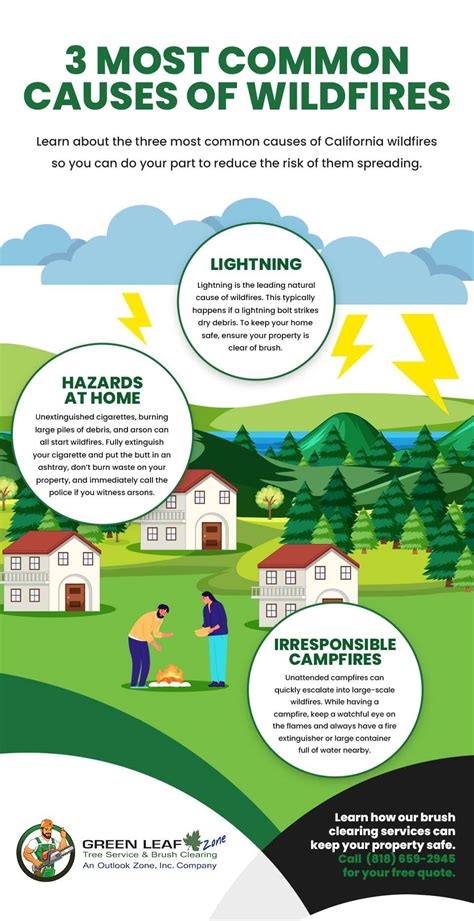
plays a significant, and often preventable, role. A staggering majority of wildfires in California are started by humans. This can range from accidental ignitions—like sparks from faulty power lines, carelessly discarded cigarettes, unattended campfires, or even vehicle exhaust systems—to deliberate acts of arson. The sheer population density in and around Los Angeles, coupled with the expansion of communities into the
urban-wildland interface (UWI)
, increases the probability of these human-caused ignitions occurring in vulnerable areas. More people means more potential sources of ignition, unfortunately. So, when you combine the natural arid climate, the highly flammable native vegetation, the relentless Santa Ana winds, persistent drought, the undeniable impacts of climate change, and widespread human activity, you get a clear picture of why
Los Angeles is a wildfire epicenter
. It’s a complex, interconnected web of factors that demands a multi-faceted approach to mitigation and prevention. This isn’t a problem with a simple fix, but understanding its roots is the first step towards building a more resilient future. ## The Devastating Impact of LA Wildfires When a wildfire sweeps through the
Los Angeles region
, its impact is far-reaching and utterly devastating, touching nearly every aspect of life for residents and the environment alike. It’s not just about the immediate loss, guys; the consequences can linger for months, even years. The most immediate and heartbreaking impact is the
loss of property and homes
. Entire communities can be wiped out in a matter of hours, leaving behind a surreal landscape of ash and charred remains. Families lose not just their houses, but all their worldly possessions, cherished memories, and a profound sense of security. The emotional toll of rebuilding, if even possible, is immense, often leading to long-term psychological stress and trauma. The economic impact is equally staggering. Beyond the direct property damage, there are massive costs associated with firefighting efforts, emergency services, and post-fire recovery. Local businesses suffer from evacuations, closures, and a reduction in tourism. Insurance premiums can skyrocket for homeowners in high-risk areas, making it harder for people to afford to live there. Furthermore, the
environmental devastation
is profound. Wildfires destroy vast tracts of natural habitat, killing countless animals and displacing many more. The loss of vegetation leads to severe soil erosion, especially in subsequent rain events, which can trigger dangerous mudslides and debris flows that further endanger communities and infrastructure. The air quality also takes a massive hit. Smoke from wildfires can travel hundreds of miles, causing unhealthy and even hazardous air conditions. This poses a serious public health risk, especially for individuals with respiratory issues like asthma or heart conditions. Schools may close, outdoor activities are cancelled, and everyone is advised to stay indoors, disrupting daily life for millions. Moreover, the long-term ecological consequences include changes in local ecosystems, potential shifts in plant and animal populations, and even impacts on water quality as ash and debris wash into reservoirs and rivers. The regeneration process can take decades, and some ecosystems may never fully recover their previous state. The mental health of affected individuals and communities also takes a significant blow. The stress of evacuation, the fear of losing everything, and the trauma of witnessing such destruction can lead to anxiety, depression, and post-traumatic stress disorder (PTSD). Children are particularly vulnerable to these emotional impacts, and communities often require extensive support services long after the flames are extinguished. The disruption to infrastructure, including power grids, communication lines, and transportation routes, can also be substantial, further hindering recovery efforts and isolating communities. In essence, the
devastating impact of LA wildfires
extends far beyond the fire line, creating a ripple effect that touches everything from personal well-being to the entire regional economy and environment. It’s a stark reminder of the immense power of nature and the critical need for robust prevention, preparedness, and recovery strategies. Understanding these multifaceted impacts drives home the urgency of collective action to mitigate future risks and build more resilient communities across Southern California. ## Essential Wildfire Preparedness for LA Residents For anyone living in
Los Angeles
, particularly in or near the urban-wildland interface,
essential wildfire preparedness
isn’t just a suggestion; it’s a critical aspect of homeownership and community safety. Being prepared can literally mean the difference between losing everything and successfully protecting your property and family. Let’s talk about the absolute basics, guys. First off, and arguably most important, is creating
defensible space
around your home. This means clearing away flammable vegetation and materials for at least 100 feet in all directions. Think of it in zones: Zone 1 (0-5 feet from your home) should be completely free of anything combustible—no dry plants, wood piles, or bark mulch. Use hardscape like concrete or gravel. In Zone 2 (5-30 feet), use fire-resistant plants, keep lawns mowed, and ensure trees are limbed up, meaning branches are removed up to at least 6-10 feet from the ground. Zone 3 (30-100 feet) should also be managed, thinning out dense vegetation and removing dead materials. This isn’t just about protecting your house; it’s about giving firefighters a safe space to work and defend your home. Next up, you absolutely need an
emergency kit
. This isn’t just for wildfires, but it’s crucial here. Your kit should include at least a three-day supply of water (one gallon per person per day) and non-perishable food, a first-aid kit, a battery-powered or hand-crank radio, flashlights with extra batteries, a whistle to signal for help, dust masks, moist towelettes, garbage bags, plastic ties, wrench or pliers to turn off utilities, a manual can opener, local maps, cell phone with chargers, and important documents (copies of insurance policies, ID, bank records) in a waterproof, portable container. Don’t forget any necessary prescription medications, baby formula, and pet food. This kit should be easily accessible and ready to grab at a moment’s notice. An
evacuation plan
is equally vital. Every member of your household should know two ways out of your neighborhood and have a designated meeting place outside the fire zone. Practice these routes! Have a communication plan, too, in case cell service is down or you get separated. Know how you’ll contact each other and where you’ll reunite. Sign up for local emergency alert systems like Alert LA County or Nixle; these systems will provide critical updates and evacuation orders directly to your phone. Don’t wait for a knock on the door; be proactive in getting information.
Home hardening
is another key component. This involves making your home more resistant to embers and direct flame contact. Seal up any gaps in your attic and under eaves with non-combustible material to prevent embers from entering. Install fine-mesh metal screens on all vents, and use fire-resistant roofing materials. Clear gutters regularly of leaves and debris. Consider replacing single-pane windows with multi-pane, tempered glass, and ensure fences are made of non-combustible materials or disconnected from the house. Even seemingly small details, like removing doormats made of flammable materials, can make a difference when embers are flying. Finally, stay informed and aware. Pay attention to weather forecasts, especially during periods of high winds and low humidity. Know your local fire danger ratings. Regularly review and update your family’s preparedness plans. By taking these
essential wildfire preparedness
steps,
LA residents
can significantly reduce their risk and increase their chances of surviving a wildfire event safely and with their property intact. It’s about being proactive, not reactive, and making sure you’re ready before disaster strikes. ## Staying Safe During a Wildfire Event When a wildfire event is actively unfolding in
Los Angeles
, knowing how to
stay safe
becomes paramount. This isn’t the time for guesswork, guys; it’s the moment when all your preparedness plans kick into high gear. The absolute first and most critical rule is to
follow evacuation orders immediately and without hesitation
. If authorities issue an evacuation order for your area, grab your pre-packed emergency kit, secure your pets, and leave. Do not wait for the flames to be at your doorstep. Fire conditions can change rapidly, and roads can become gridlocked or blocked by fire, making escape impossible. Law enforcement and firefighters are there to protect you, and obeying their directives keeps you, and them, safe. Trying to
