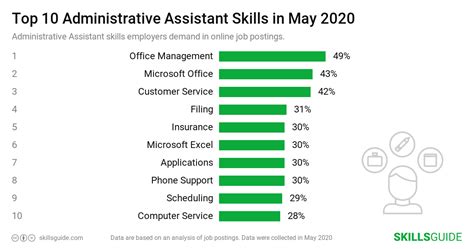
Essential Skills for a Top Administrative Assistant Role\n\nHey there, future administrative superstars and seasoned pros! Ever wondered
what it really takes
to excel as an
administrative assistant
? It’s way more than just answering phones and filing papers, guys. This isn’t just a job; it’s a pivotal role that keeps businesses running smoothly, a true backbone for any successful team. An administrative assistant is often the unsung hero, the master organizer, and the go-to person for a myriad of tasks that demand precision, efficiency, and a fantastic attitude. If you’re looking to dive into this dynamic career or want to elevate your current admin game, you’ve come to the right place. We’re going to break down everything you need to know, from core competencies and daily responsibilities to educational paths and the exciting future of the role. Our goal here is to give you a comprehensive guide, packed with valuable insights, so you can confidently step into or shine brighter in an administrative assistant position. Think of us as your friendly guide, helping you navigate the pathway to becoming an indispensable asset in any office environment. So, let’s get ready to unlock the secrets to becoming a truly
outstanding
administrative assistant!\n\n## Unpacking the Core Competencies: Essential Administrative Assistant Skills\n\nBecoming a stellar administrative assistant hinges on a robust set of core competencies that go far beyond basic office tasks. At the heart of it all is
impeccable organizational prowess
. This isn’t just about keeping your desk tidy; it’s about managing complex schedules, organizing files (both physical and digital) in an intuitive system, and ensuring that everything from meeting agendas to travel itineraries is meticulously planned and easily accessible. A truly organized admin assistant can anticipate needs before they arise, proactively setting up systems that prevent bottlenecks and ensure smooth operations. Think about it: a well-organized calendar for your executive, a perfectly sorted client database, or a streamlined document retrieval system can save countless hours and prevent major headaches. This skill alone can distinguish a good admin from a
great
one, making you an invaluable asset to any team or manager you support.
Your ability to bring order to potential chaos is your superpower here, making complex tasks feel manageable and accessible for everyone involved.
\n\nNext up,
superior communication skills
are non-negotiable for any aspiring or current administrative assistant. This encompasses both written and verbal communication, and let me tell you, it needs to be top-notch. You’ll be drafting emails, memos, and reports that need to be clear, concise, and professional. You’ll also be the first point of contact for clients, vendors, and internal staff, requiring a friendly, articulate, and often diplomatic demeanor. Active listening is just as crucial as speaking effectively; truly understanding requests and concerns is key to providing effective support. Think about those tricky phone calls or sensitive emails – your ability to convey information accurately and empathetically can seriously impact perceptions and relationships.
Being able to articulate complex ideas simply, resolve misunderstandings gracefully, and maintain a professional tone in all interactions is absolutely critical.
It’s about being the voice of the office, reflecting positively on your organization at all times. This means knowing when to be formal and when a more casual, yet still professional, tone is appropriate, always adapting to your audience and the situation at hand.\n\n
Technological proficiency
is another fundamental skill that administrative assistants simply cannot do without in today’s digital world. We’re talking about mastering software like the entire Microsoft Office Suite (Word, Excel, PowerPoint, Outlook are a must!), Google Workspace, and often various project management tools like Asana or Trello, or communication platforms like Slack or Microsoft Teams. You’ll be creating presentations, managing spreadsheets, drafting documents, and coordinating through digital channels constantly. Staying updated with the latest software versions and being quick to learn new applications will make you incredibly efficient and adaptable.
A tech-savvy admin assistant can troubleshoot minor IT issues, optimize workflows with digital tools, and leverage technology to enhance productivity for the entire team.
This isn’t about being an IT expert, but rather being comfortable and capable with the tools that drive modern office operations. Your comfort with digital tools directly translates into increased efficiency for everyone around you, freeing up valuable time for more strategic tasks.\n\nFurthermore,
stellar time management and prioritization abilities
are absolutely essential. Administrative assistants are often juggling multiple tasks, deadlines, and requests from various individuals. Knowing how to prioritize urgent tasks over less critical ones, managing your own workload effectively, and helping others manage theirs (especially your executive’s schedule) is paramount. This includes setting realistic deadlines, breaking down large projects into manageable steps, and using tools like calendars and task lists effectively.
The ability to remain calm under pressure, meet deadlines consistently, and re-prioritize on the fly when unexpected issues arise showcases true professionalism and efficiency.
It’s all about working smart, not just hard, ensuring that critical tasks are completed on time without compromising quality. This means you need to be a master of planning, but also incredibly flexible when plans inevitably change.\n\nFinally,
problem-solving and initiative
are highly valued traits. Administrative assistants often encounter unexpected challenges, from a printer malfunction to a last-minute travel change. The ability to calmly assess a situation, identify potential solutions, and take decisive action without constant supervision is a huge plus.
Proactive problem-solvers who can anticipate potential issues and address them before they escalate are gold in any office setting.
This isn’t just about fixing things; it’s about thinking ahead, suggesting improvements, and taking the lead on small projects. It shows that you’re not just waiting for instructions, but actively contributing to the overall success of the team and the organization. Taking initiative means you’re always looking for ways to streamline processes, improve efficiency, and add value, making you an indispensable part of the team rather than just a support role.\n\n## Beyond the Desk: Key Responsibilities of an Administrative Assistant\n\nWhile the core competencies we just discussed lay the groundwork, understanding the daily
responsibilities
of an administrative assistant truly paints a complete picture of this vital role. It’s a dynamic position where no two days are exactly alike, often requiring a quick pivot between a wide array of tasks. One of the most common and critical duties is
managing calendars and scheduling meetings
. This involves not just booking a room, but coordinating multiple schedules, sending out invitations, confirming attendance, and often preparing necessary materials or technology for the meeting. For high-level executives, this can include managing complex international schedules across different time zones, factoring in travel time, and ensuring no conflicts arise.
Your ability to be a wizard with scheduling ensures that important conversations and collaborations happen seamlessly, maximizing productivity for everyone involved.
This goes beyond simple booking; it’s about strategic planning to ensure that the right people are in the right place at the right time, fully prepared for productive discussions. You’re often the orchestrator, making sure all the pieces fit together perfectly for a smooth operational flow.\n\nAnother significant responsibility is
office management and supplies oversight
. This can range from ordering office supplies, ensuring equipment is in working order (and calling for repairs when it isn’t), to managing mail, deliveries, and maintaining a tidy and functional office environment. For many administrative assistants, they are the first point of contact for visitors and clients, so managing the reception area and offering a welcoming atmosphere falls under their purview.
Ensuring the office has everything it needs to function effectively, from pens to paper and perfectly brewed coffee, is a crucial part of keeping everyone happy and productive.
This often means anticipating needs before they become shortages, and having a system in place for reordering and inventory management. It’s about creating an environment where employees can focus on their core tasks without worrying about operational hiccups.\n\n
Handling correspondence and communications
is also a major part of the job. This extends beyond just answering phones; it involves drafting, formatting, and proofreading emails, letters, and internal memos. You might be responsible for filtering and prioritizing incoming communications for your executive, responding to routine inquiries independently, or even managing certain social media accounts or internal communication platforms.
Being the gatekeeper and the first line of communication requires excellent judgment, a professional tone, and the ability to represent the company accurately and positively.
It’s about being the voice and often the face of your team or organization, ensuring that messages are conveyed clearly, professionally, and in a timely manner, both internally and externally. This also means understanding confidentiality and knowing what information can be shared and what needs to be protected.\n\nFurthermore, many administrative assistants are tasked with
data entry, record-keeping, and report preparation
. This can involve maintaining databases, updating client records, compiling information for presentations, or generating various reports. Accuracy is absolutely paramount here, as errors can have significant consequences. You might be asked to track expenses, process invoices, or assist with basic bookkeeping tasks.
Your meticulous attention to detail in these areas ensures that financial and operational data are reliable and accessible for decision-making.
It’s about being the guardian of information, ensuring its integrity and making sure it can be retrieved efficiently whenever needed. This aspect of the role requires patience, precision, and an understanding of how data contributes to the bigger picture of business success.\n\nFinally,
assisting with projects and events
is often part of an administrative assistant’s portfolio. This could mean helping coordinate company events, organizing team-building activities, assisting with specific project timelines, or preparing materials for large presentations. You might be involved in researching vendors, managing budgets for small events, or even taking meeting minutes and distributing action items.
Your ability to seamlessly support these initiatives, often behind the scenes, contributes significantly to team morale and overall project success.
It showcases your versatility and willingness to step up and take on new challenges, proving that you’re not just reactive but also a proactive contributor to the team’s broader objectives. This often involves collaborating with multiple departments, requiring excellent interpersonal and coordination skills to bring various elements together harmoniously.\n\n## Educational Paths and Professional Development for Admin Roles\n\nWhen it comes to becoming an administrative assistant, there isn’t always a single, rigid educational path, which is great news for many aspiring professionals! While some roles might prefer a specific background, the field is quite accessible and values a mix of formal education, practical experience, and continuous learning. Generally, a
high school diploma or GED
is the minimum educational requirement for most administrative assistant positions. This foundational level demonstrates basic literacy, numeracy, and a general ability to follow instructions, which are, of course, essential for any entry-level role. However, to truly stand out and access more desirable or higher-paying positions, often within larger corporations or specialized industries, pursuing further education can be a significant advantage. It shows dedication and equips you with a broader skillset that makes you more competitive in the job market and more effective in your daily duties.
While a high school diploma gets your foot in the door, strategic educational choices can propel your career forward significantly, opening up more opportunities and responsibilities.
\n\nMany administrative assistants benefit greatly from
post-secondary education, such as an Associate’s Degree or a relevant certificate program
. An Associate’s Degree, typically a two-year program from a community college or vocational school, often focuses on subjects like business administration, office technology, communications, and basic accounting. These programs are specifically designed to equip students with the practical skills and theoretical knowledge directly applicable to administrative roles. They often include courses in advanced computer applications, business writing, database management, and even aspects of project coordination. Similarly, dedicated certificate programs in office administration, executive assistant training, or business skills can provide intensive, focused training in a shorter timeframe, making them ideal for individuals looking to quickly gain relevant competencies.
These focused educational paths provide a solid theoretical foundation combined with hands-on practice, making graduates highly attractive to employers seeking well-rounded administrative talent.
Such programs often culminate in a portfolio of work or a capstone project that can be showcased during job interviews, providing tangible proof of your abilities.\n\nBeyond formal degrees,
professional certifications
are incredibly valuable for administrative assistants looking to demonstrate specialized expertise and commitment to their profession. Certifications from widely recognized bodies, such as the
Microsoft Office Specialist (MOS)
certification, are particularly impactful. Achieving MOS certification, for instance, proves your proficiency in essential software like Word, Excel, PowerPoint, and Outlook, which are daily tools for most admin assistants. Other certifications, like the
Certified Administrative Professional (CAP)
offered by the International Association of Administrative Professionals (IAAP), signify a high level of expertise and dedication to the administrative field, covering areas like office systems, organizational communication, and leadership.
These certifications not only validate your skills but also show potential employers your commitment to professional excellence and continuous improvement.
They can often lead to better job prospects and higher earning potential, as they signal that you’ve gone the extra mile to master crucial tools and concepts in your field.\n\n
Continuous learning and professional development
are absolutely crucial in this ever-evolving role. The administrative landscape is constantly changing with new technologies and methodologies emerging regularly. Attending workshops, webinars, and industry conferences can help you stay current with the latest trends in office management, software updates, and best practices. Many organizations offer internal training programs, and taking advantage of these can broaden your skill set and prepare you for more advanced roles. Joining professional associations, like the IAAP, also provides networking opportunities, access to resources, and avenues for ongoing learning.
Embracing a mindset of lifelong learning ensures that your skills remain sharp, relevant, and adaptable, positioning you as a forward-thinking and indispensable administrative professional.
This proactive approach to self-improvement is what truly sets apart the good admin assistants from the truly exceptional ones, demonstrating a genuine passion for the role and a desire to contribute meaningfully to the organization’s success over the long term.\n\n## Thriving in the Digital Age: Technology for Administrative Assistants\n\nIn today’s fast-paced business world, the administrative assistant role is undeniably intertwined with technology. Forget the old stereotypes of dusty filing cabinets; modern administrative assistants are true digital wizards, leveraging a vast array of tools to optimize efficiency and streamline operations. At the forefront of this digital toolkit is
mastery of the Microsoft Office Suite and Google Workspace
. These aren’t just programs you
